
Techtime
The Maritime Labor Crunch: Why Robots Could Be the Industry’s Next Lifeline
The maritime and shipbuilding industries have long been the backbone of global trade and economy. Yet today, they’re facing a problem that could shake their very foundations: a serious shortage of skilled labor. Aging work- forces, fewer young people eager to join the trades, and a growing demand for ships are all converging to create a labor crisis that’s hard to ignore.
But amid these challenges, something exciting is happening— technology, especially robotics, is stepping in to help fill the gap. Companies like South Korea’s HD Hyundai, German robotics leader NEURA Robotics, and U.S.-based Persona AI are not just dreaming about robots in shipyards—they’re actively building them. These humanoid and quadruped robots are being designed to take on the tough, repetitive, and dangerous jobs that have traditionally fallen to human workers.
Why is the labor shortage so urgent?
To understand why robots are becoming essential, we need to first grasp how serious the workforce shortage is. According to several industry reports, the global maritime sector is expected to be short by more than 50,000 skilled workers in the next few years. More specifically, experts predict nearly 150,000 officer positions could remain unfilled by 2025. That’s a huge number when you think about the role these professionals play in safely and efficiently running the world’s fleets.
South Korea, a major shipbuilding hub, faces an acute short- age too—some yards estimate they will be down 7,500 to 10,000 skilled workers very soon. And it’s not just the numbers; the average age of shipbuilders is climbing well above 45 in many regions, and fewer young people are entering voca- tional trades. Many simply don’t see shipbuilding or maritime careers as attractive options anymore.
This shortage isn’t just an inconvenience—it’s delaying production schedules, threatening safety standards, and making it harder to meet the increasing demand for new, greener vessels.
Enter: The robots
Faced with these challenges, HD Hyundai and its partners have decided to take a bold leap. They’re teaming up with NEURA Robotics, known for its advanced humanoid robots, and their own HD Hyundai Robotics division to test robots that can work alongside humans in the demanding environment of shipyards.
These robots aren’t just machines on wheels; they’re intelligent, adaptable, and equipped with artificial intelligence that allows them to learn tasks like welding and assembly. NEURA’s 4NE1 humanoid robot, for example, is designed to navigate unpredictable, cluttered workspaces—the kind you find in busy shipyards. Meanwhile, HD Hyundai Robotics is contributing sophisticated automation and path-learning technologies to help these robots perform complex, precise jobs.
This initiative is already underway, with live tests taking place at HD Hyundai Samho’s shipyard, one of the company’s major operational facilities. The goal is to see how well these robots perform in real-world scenarios and refine them until they’re ready for full deployment.
Other players are joining the race
HD Hyundai isn’t alone in betting on robotics. Persona AI, a U.S.-based company, is working on humanoid welding robots designed for shipyards, with prototypes expected to be ready by late 2026 and commercial use around 2027. Their CEO, Nicolaus Radford, emphasizes the urgency of these solutions given that many yards worldwide are already losing up to 30% of their skilled workforce.
Meanwhile, companies like Sea Machines Robotics are automating ship operations rather than building tasks—developing systems that enable vessels to steer themselves or be controlled remotely, easing the burden on human crews. Others, such as Liquid Robotics and Ocean Infinity, deploy autonomous surface and underwater vehicles for monitoring and maintenance, pushing the boundaries of what’s possible at sea without putting humans in harm’s way.
The Smart Shipyard: Synergy of Man and Machine
HD Hyundai’s vision encapsulates this new paradigm:
- Human–Robot Collaboration: Robotic systems learn and assist; human workers supervise and maintain.
- Productivity Gains: Robots handle repetitive workloads and provide analytic insights into quality control.
- Safety Enhancements: Autonomous systems reduce exposure to hazardous conditions.
- Delivery Reliability: Shipyards can scale rapidly in response to surges in orders, free from labor fluctuations.
Broader Industry Impacts
The thrust of automation is industry-wide:
- European yards are embracing automation and upskilling partnerships—but still face delays due to labor gaps.
- China, commanding 70% of global ship orders, continues to expand capacity but relies heavily on automation to sustain its leadership.
- Japan, confronting its own decline—due partly to labor shortages—has begun consolidating shipbuilders and investing in workforce support through national funds.
Furthermore, workforce reskilling efforts are gaining traction: 65–68% of shipbuilders plan to increase training budgets, and reskilling programs have slashed onboarding time by up to 25% .
The Road Ahead: Tomorrow’s Maritime Workforce
By 2030, machine intelligence and remote operations may transform the maritime workforce as dramatically as diesel engines did a century ago. Key trends include:
- Human Oversight
Skilled workers will transition to roles involving oversight, programming, maintenance, and collaboration with robotic systems. - Emerging Job Classes
As robotics proliferate, new roles in AI support, data analytics, and remote operations will emerge aboard and ashore. - Green & Autonomous Ships
As low-emission vessels enter production, robotic assembly and inspection will be crucial to meeting increasing environmental standards and complexity. - Global Workforce Distribution
Robotics can help emerging shipbuilding hubs—like India and Vietnam—field efficient shipyards without reliance on labor migration.
Engineering the Future
The maritime labor crisis isn’t a looming threat—it’s a present reality. With officer shortages projected at 147,500, skilled-crew deficits around 50,000, and local shipyard shortages reaching into the tens of thousands, the margins for error are slim.
But a new horizon is emerging—a horizon shaped by humanoid robots, AI-powered welders, and autonomous vessels. Initiatives led by HD Hyundai, NEURA Robotics, Persona AI, Sea Machines, Liquid Robotics, and Ocean Infinity are not mere proofs of concept; they are bold prototypes of the smart shipyards and fleets of tomorrow.
As robotics iterate from trials to full-scale deployment—especially with planned commercial rollouts in 2027—it’s clear: the next crew on board might just be made of circuit boards and servos, working hand-in-hand with humans. And for an industry struggling to stay afloat, that human–robot alliance may just be the lifeline it needs.
Sources & Data:
- Seafarer shortage projections to 2030 & global workforce stats WifiTalents
- South Korea labor gaps estimate of 7,500–10,000 Houston Chronicle+2maritime-executive.com+2Brookes Bell+2
- Workforce age & skills-gap stats
- Japan’s workforce & automation context Gitnux+2Financial Times+2maritime-executive.com+2
- Persona AI–HD Hyundai robotics collaboration Houston Chronicle
- Sea Machines, Liquid Robotics, Ocean Infinity robotics initiatives
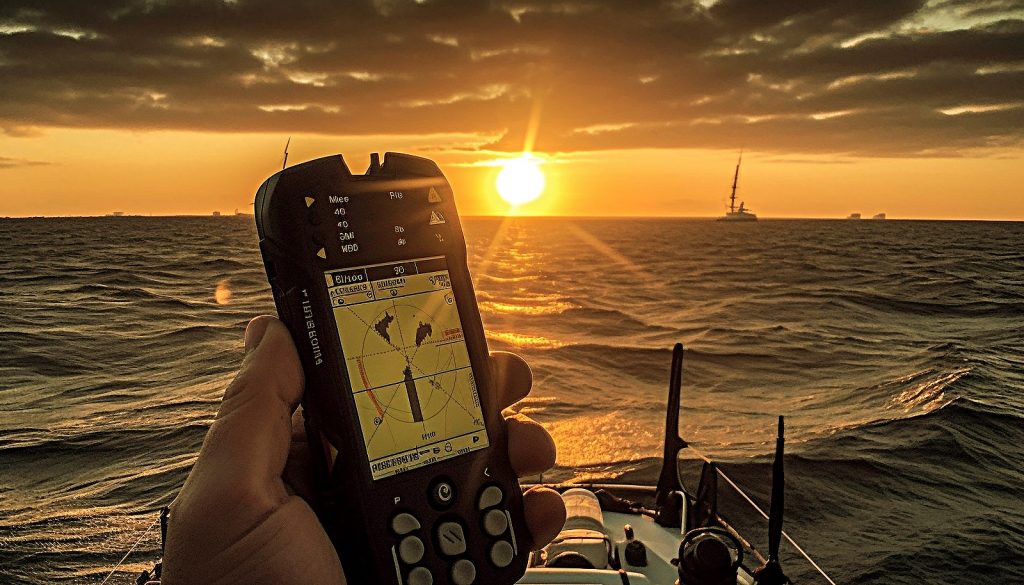
Navigating the Future: The Expanding Horizons of the Maritime Software Market
The maritime industry is undergoing a profound transformation, fueled by digital technologies that promise to streamline operations, improve safety, and reduce environmental impact. Central to this evolution is the marine management software market, which is poised for remarkable growth in the coming decade. Valued at approximately USD 1.5 billion in 2020, this market is projected to expand at a compound annual growth rate (CAGR) of around 10.6% through 2028, according to industry forecasts. But what lies behind this surge, what challenges must be overcome, and how might emerging technologies like artificial intelligence (AI) shape the future of maritime software?
Market Size and Growth Drivers
Marine management software serves as a vital digital backbone for boatyards, marinas, shipping companies, and port operators. By enabling efficient management of complex supply chains, cargo tracking, scheduling, and fleet monitoring, these solutions help reduce costs and optimize operations. The growth in waterway transportation worldwide, driven by rising global trade volumes and the need for greener shipping practices, underscores the increasing demand for such digital tools.
A crucial factor propelling the market is the software’s ability to offer real-time data collection, processing, and distribution to various stakeholders—from ship owners and port authorities to logistics operators. Integrated platforms allow for seamless exchange of cargo details, navigation schedules, and maintenance data, fostering better coordination and reducing the risk of accidents or delays.
Moreover, cloud adoption is accelerating, with cloud-based marine software offering scalable, accessible, and cost-effective solutions, especially appealing to small and medium enterprises (SMEs). This shift facilitates remote access, easier updates, and enhanced collaboration, all of which are critical in an industry where global operations and fast decision- making are the norms.
Opportunities from AI and Advanced Technologies
Artificial intelligence is beginning to reshape maritime software in significant ways. Machine learning algorithms and big data analytics are being employed to optimize route planning, predictive maintenance, fuel consumption, and emissions management. For instance, AI-powered digital twins—virtual replicas of ships—allow fleet managers to simulate different scenarios, anticipate equipment failures, and make informed decisions that improve operational efficiency and environmental compliance.
Energy efficiency metrics like the Carbon Intensity Indicator (CII), Energy Efficient Operation Index (EEOI), and Ship Energy Efficiency Management Plan (SEEMP) are increasingly embedded within software platforms, helping shipping companies reduce their carbon footprints in line with International Maritime Organization (IMO) regulations. The integration of AI into these systems supports continuous improvement by analyzing historical and real-time data, predicting outcomes, and recommending actionable strategies. The advent of 5G and Internet of Things (IoT) connectivity aboard ships further enhances data collection and real-time monitoring, empowering AI systems with richer, more accurate datasets.
Market Segmentation and Key Players
The marine software market comprises various components such as tracking and monitoring, navigation and routing, supply chain management, finance and accounting, and system testing. Deployment modes range from traditional on-premises setups to cloud-based services, while usage spans onboard ship systems to onshore command centers.
Geographically, North America currently leads due to early adoption of advanced digital tools and the presence of key market players like Oracle, DockMaster, and MarineCFO. However, the Asia-Pacific region is forecasted to register the highest growth rates, supported by expanding maritime trade, increasing numbers of SMEs, and rising technological adoption in countries like China, India, and Singapore.
The competitive landscape features established corporations such as ABB (Switzerland), Lloyd’s Register (UK), and innovative newcomers like Marina Master (Slovenia) and Marinacloud (Croatia). These companies actively pursue partnerships, acquisitions, and technological development to broaden their product portfolios and global reach.
Challenges Facing the Market
Despite its growth potential, the marine management software market faces several challenges. The most pressing is cybersecurity risk. Maritime systems are increasingly targeted by cyberattacks such as data breaches, ransomware, and Denial of Service (DoS) attacks, which can disrupt operations, compromise sensitive information, and threaten safety. Given the critical nature of shipping infrastructure, software providers must embed robust cybersecurity measures to protect clients’ assets and ensure operational continuity. Another hurdle is the sector’s traditional resistance to rapid technological adoption. Many shipping companies, especially smaller operators, face resource constraints and lack digital expertise, making integration of new software systems difficult. Additionally, regulatory compliance remains complex as different countries and regions impose varying standards on maritime operations and data management.
The COVID-19 pandemic illustrated the vulnerability of maritime supply chains, causing delays, operational halts, and reduced trade volumes. Although these disruptions have accelerated digital adoption in some cases, they also exposed gaps in infrastructure and highlighted the need for more resilient and adaptable software solutions.
The Path Forward: Innovation and Collaboration
To capitalize on the growing demand, market participants are focusing on innovation and collaboration. Recent initiatives include ABB’s launch of the Ability Marine Fleet Intelligence Advisory—a cloud-based analytics platform designed to optimize fleet performance—and the integration of AI-driven digital twins by Lloyd’s Register in partnership with Falkonry. Furthermore, partnerships like the one between Marina Master and Yaringa Boat Harbour exemplify how customized software solutions can improve both operational efficiency and
customer experience in marina management.
Looking ahead, the push for sustainability will likely be the main driver of innovation in maritime software. With global regulations tightening emissions targets and environmental accountability, marine software must evolve to provide comprehensive monitoring, reporting, and decision-support tools that help shipping companies meet these demands.
Conclusion
The marine management software market stands at an exciting crossroads. With a strong projected CAGR and growing recognition of the need for digital transformation, the sector offers substantial opportunities to modernize the maritime industry. AI and cloud technologies promise to make shipping smarter, greener, and safer by enabling data-driven decisions and predictive insights.
However, overcoming cybersecurity threats, regulatory complexities, and adoption barriers will require coordinated efforts among software developers, maritime operators, and regulatory bodies. Ultimately, the successful digitalization of maritime management will not only improve operational efficiency but also contribute significantly to the decarbonization and sustainability of global shipping—a critical step toward the uture of maritime trade.
Sources:
- Market Research Future: Global Marine Management Software Market Report (2024)
- International Maritime Organization (IMO) regulations on carbon intensity
- Industry reports from Oracle, ABB, Lloyd’s Register, and other maritime software providers
- Market data and analysis from recent maritime technology conferences