Asian Maritime News
World’s First Wind-Assisted LR2 Tanker Launched in China
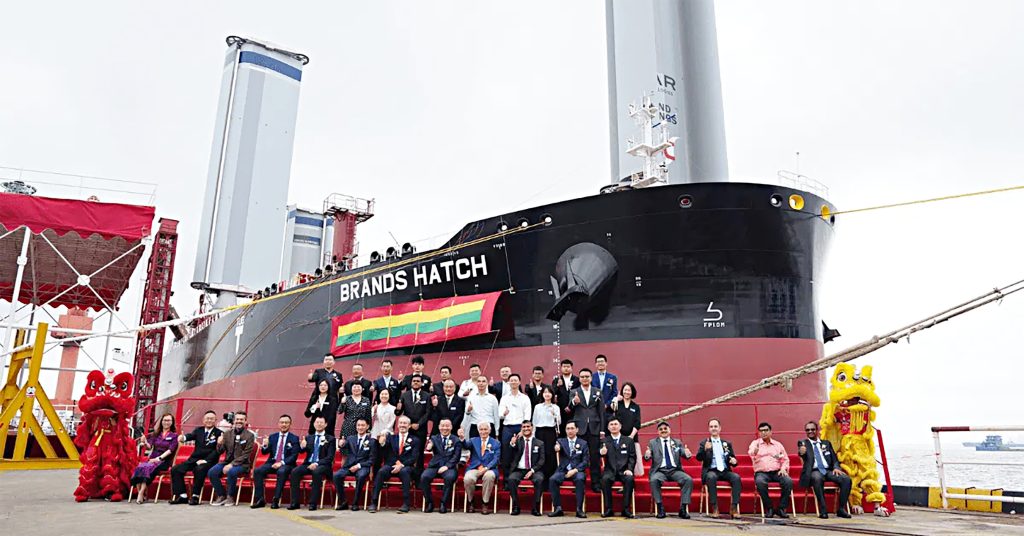
A landmark moment in maritime sustainability unfolded on June 11, 2025, when Shanghai Waigaoqiao Shipbuilding (SWS) launched the world’s first wind-assisted LR2 oil tanker, Brands Hatch. Built for UK-based Union Maritime Ltd (UML), this next-generation vessel signals a growing shift toward low-emission shipping.
Measuring 250 meters long and 44 meters wide, the Aframax-class tanker can carry up to 800,000 barrels of crude oil. What sets it apart is the integration of three massive WindWings—rigid sails, each 37.5 meters tall, developed by BAR Technologies (UK) and manufactured by CM Energy Tech (China). These are designed to harness wind energy, reducing the vessel’s reliance on fossil fuels.
Union Maritime estimates the sails could cut annual fuel consumption by 1,200 tonnes, equivalent to a reduction of 3,800 tonnes of CO₂ emissions per year. Under ideal wind conditions, daily savings may reach 14.5 tonnes of fuel, improving efficiency by up to 15%.
This launch is part of UML’s broader commitment to sustainable shipping. The company plans to equip 34 new vessels—including 14 LR2s, 12 chemical tankers, and 8 medium-range tankers—with wind-assisted systems. Smaller vessels will feature rotor sails from Finnish firm Norsepower.
Engineers at the SWS Design and Research Institute faced challenges installing the intelligent sail system, using laser-guided alignment and high-precision controls to ensure operational stability in varying sea conditions.
UML CEO Laurent Cadji praised the collaboration, call – ing it a “testament to China’s leadership in modern shipbuilding” and a key step toward decarbonizing global trade.
Brands Hatch is currently undergoing sea trials and is scheduled for delivery on June 16. It will operate along UML’s European routes.
As global regulations tighten around carbon emissions, wind-assisted propulsion is gaining attention as a practical, scalable solution. With over 50 vessels on order, UML is betting on wind to help future-proof its fleet.
The Brands Hatch doesn’t just carry crude oil—it carries a message: that even in an era of high-tech innovation, wind still has a vital role to play in shipping’s sustainable future.
Source: www.marineinsight.com
Hong Kong Launches Port Community System to Boost Digitalisation and Smart Port Development
On May 16, Hong Kong’s Transport and Logistics Bureau (TLB) officially launched the Port Community System (PCS), a digital platform designed to modernize port operations and promote smart port development.
The PCS aligns with global maritime digital transformation trends, aiming to enhance information sharing and connectivity among Hong Kong’s port community. By linking shipping, logistics, trade, and other stakeholders in real time, the system
By embracing digitalisation through the PCS, Hong Kong seeks to improve operational efficiency and strengthen Hong Kong’s position as a leading international maritime hub.
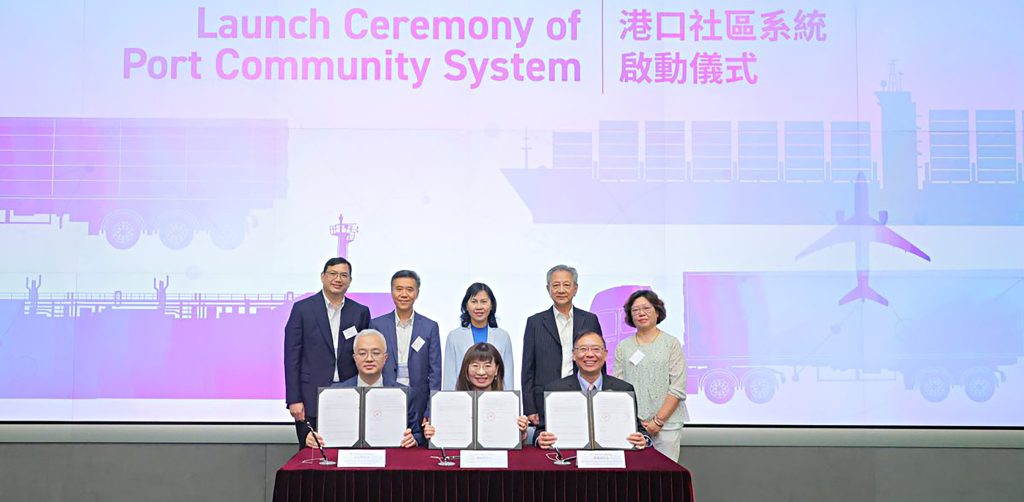
At the launch ceremony, TLB signed a tripartite Memorandum of Understanding (MoU) with the Logistics and Supply Chain MultiTech R&D Centre (LSCM) and Guangdong e-Port Management Company Limited. This collaboration focuses on enabling the PCS to support pre-filling and pre-submission of ocean manifests for vessels entering Mainland China, offering greater convenience and seamless cross-border data exchange for users.
Mable Chan, Secretary for Transport and Logistics, emphasized the PCS’s importance as “a critical infrastructure” for the port and maritime sectors’ future growth. She noted that the system, led by the Hong Kong Special Administrative Region Government and supported by industry players, will digitally connect Hong Kong, Mainland China, and the wider international maritime community.
Testing of the PCS began in early 2023 with extensive industry input. Full installation is expected to be completed by the end of 2025, with the platform’s rollout to the port community scheduled for early 2026.
By embracing digitalisation through the PCS, Hong Kong aims to consolidate its maritime competitiveness, facilitate smoother trade flows, and lead the way toward a smarter, more connected port ecosystem.
Singapore Unveils Digital Platform to Boost Maritime Energy Training and Decarbonisation
The Maritime and Port Authority of Singapore (MPA) has announced the upcoming launch of the Maritime Energy Training Facility (METF) Digital Platform, designed to support the global maritime workforce in safely handling alternative marine fuels and courses, register, and manage payments with ease. It also tracks training progress and certifications, helping users comply with industry regulations and standards. Additionally, the METF streamlines administrative tasks such as verifying training grant eligibility and certification management, reducing the operational burden on maritime companies.
Currently available to Singapore-based maritime firms and ships registered in Singapore, the platform is set to expand its reach in future phases to include overseas stakeholders.
The METF prototype is currently undergoing testing with industry pilot users. This development aligns with the International Maritime Organization’s Human Element, Training and Watchkeeping Sub-Committee’s ongoing emerging technologies.
The METF prototype was showcased on March 27 at the “Accelerating Digitalisation and Decarbonisation Conference” during Singapore Maritime Week (SMW) 2025. Scheduled for full rollout in the second half of 2025, the platform builds on Singapore’s ongoing commitment to maritime decarbonisation and workforce development, first introduced at SMW 2024.
The platform offers maritime companies, seafarers, and professionals an integrated system to search for relevant efforts, which began in February 2025, to establish training guidelines for alternative fuels and technologies. MPA has contributed draft guidelines focused on methanol and ammonia handling, leveraging Singapore’s expertise.
Complementing the METF initiative, Wärtsilä announced plans to introduce its Methanol Power and Control (PAC) simulation training model during SMW, in partnership with the METF and Wavelink Maritime Institute.
Together, these initiatives aim to equip the maritime workforce with the skills necessary for a safer, greener shipping future.
Source: www.safety4sea.com

Singapore Tops Xinhua-Baltic Shipping Centre Development Index for 12th Year Running
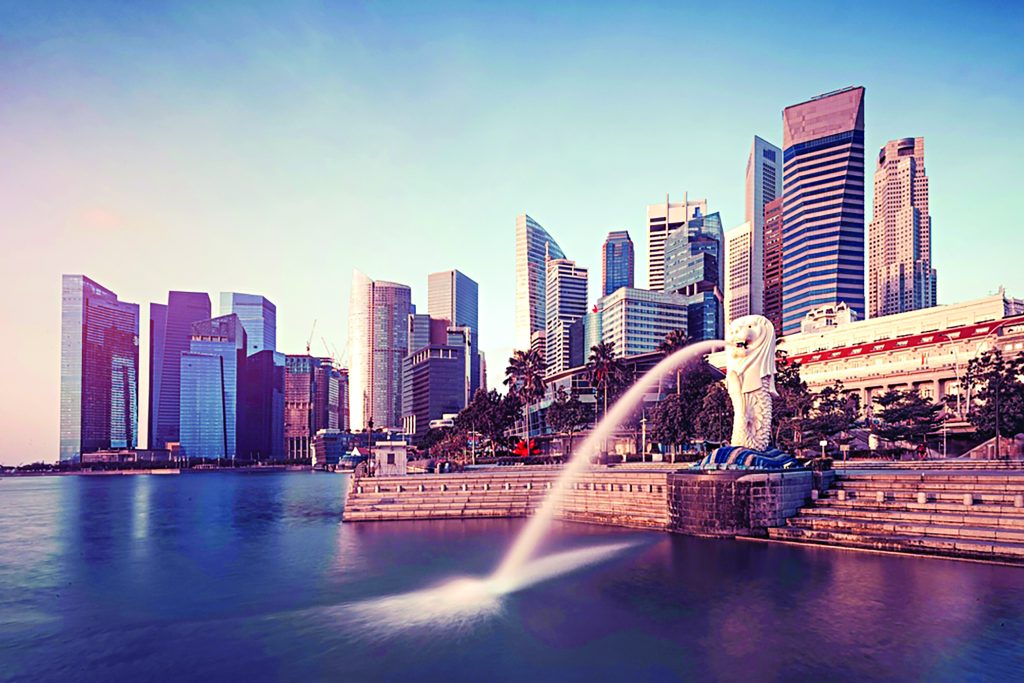
The Baltic Exchange, in partnership with Xinhua News Agency, has released the 2025 edition of the Xinhua-Baltic International Shipping Centre Development Index (ISCDI), once again naming Singapore as the world’s leading shipping centre. Singapore achieved a near-perfect score of 99.50 out of 100, maintaining its position at the top for the twelfth consecutive year.
The ISCDI evaluates 43 major maritime hubs globally based on a comprehensive range of factors. These include port infrastructure metrics such as cargo throughput, crane numbers, container berth length, and port draught. It also measures the strength of professional maritime support sectors, including shipbroking, ship management, financing, insurance, and legal services. Additional considerations involve the broader business environment, like customs tariffs, digital government services, and overall logistics performance.
Singapore’s continued dominance is credited to its strategic location, extensive maritime ecosystem, and robust international outlook. London and Shanghai followed closely in second and third places, scoring 81.02 and 81.01 respectively, underscoring their ongoing importance as global maritime centres.
The report also highlighted the rising influence of Chinese shipping hubs. Ports such as Guangzhou, Qingdao, and Tianjin improved their rankings, while Ningbo-Zhoushan climbed to seventh place for the third year running, reflecting China’s increasing investment and growing role in global shipping.
New entrants in the top 20 included Los Angeles and Vancouver, marking the inclusion of two North American ports in the global rankings at 19th and 20th place respectively.
Other notable rankings saw Hong Kong and Dubai holding their positions within the top five, with Rotterdam maintaining sixth place as a European leader. Ningbo-Zhoushan and Athens/Piraeus exchanged seventh and eighth spots, while Hamburg and New York/New Jersey remained in ninth and tenth respectively.
The report reflects ongoing challenges and transformations in the maritime industry, including shifts in dry bulk, container, tanker, and LNG markets, alongside accelerating decarbonisation efforts driven by regulatory frameworks and emerging technologies.
Source: www.safety4sea.com
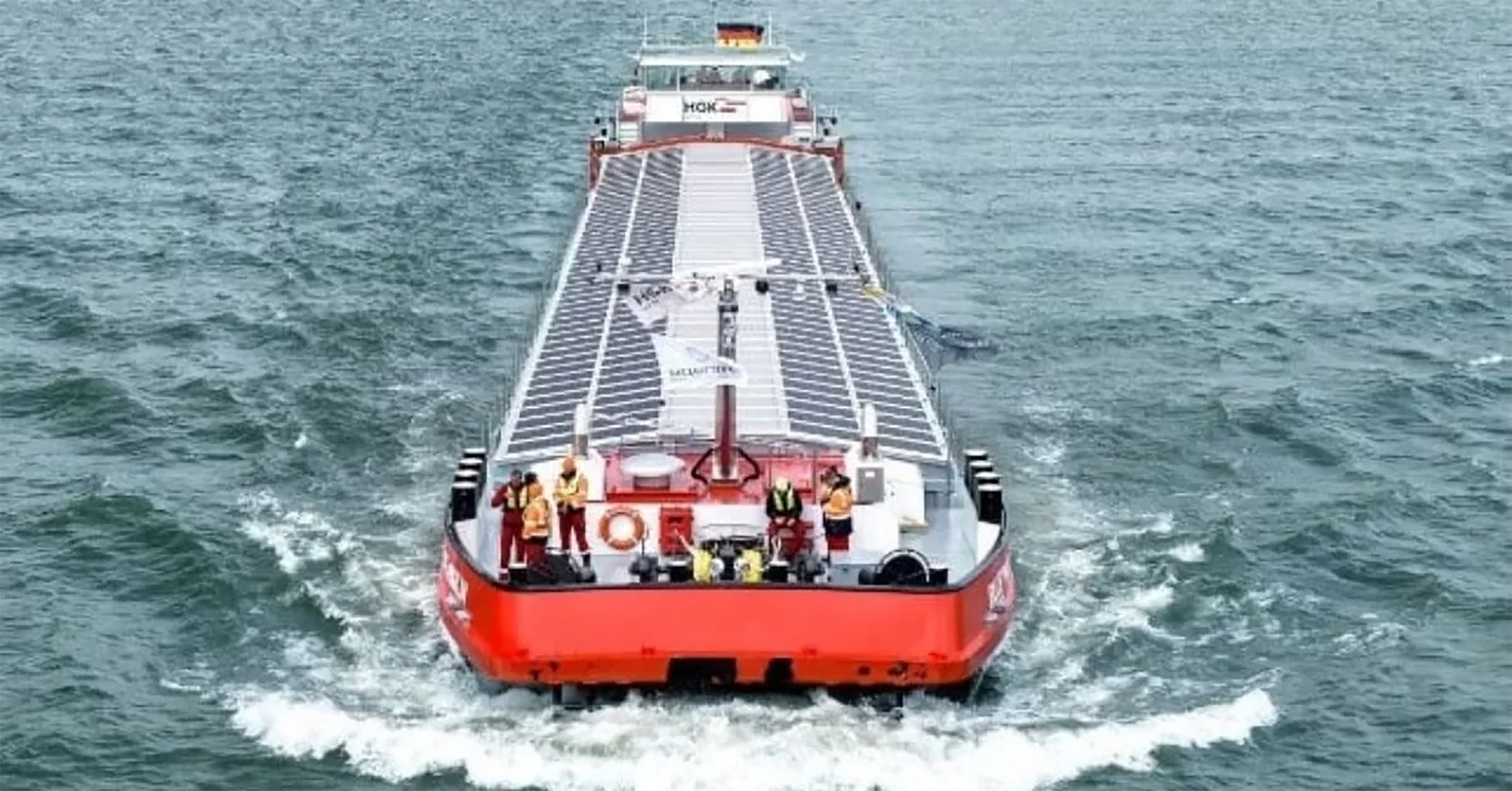
World’s First Hybrid Solar-Powered Inland Cargo Ship Sets Sail
On July 12, 2025, HGK Shipping’s inland cargo vessel The Blue Marlin made history as the first hybrid solar-powered inland transport ship in the world. Dutch marine solar specialist Wattlab supplied the vessel’s innovative solar energy system, featuring 192 solar panels that power both the ship’s high-voltage propulsion system and onboard operations.
unnecessary starts of diesel generators during periods of high energy demand. This smart energy system optimizes power usage, making the ship more efficient and environmentally friendly.
HGK Shipping, a key player in Europe’s inland transport market with a fleet of over 350 vessels and annual freight volumes of approximately 43 million tonnes, is taking a notable step toward greener shipping through this investment. The Blue Marlin’s pioneering technology reflects a growing this new hybrid system represents a major leap in maritime sustainability. Unlike previous projects, such as HGK and Wattlab’s earlier collaboration on the MS Helios—which set the Guinness World Record for the largest solar panel installation on an inland vessel but only powered low-voltage onboard systems—The Blue Marlin integrates solar energy directly into propulsion. This integration allows the vessel to significantly reduce fuel consumption.
The hybrid setup enables automated energy management and peak shaving, effectively minimizing fuel use by avoiding industry trend focused on reducing emissions and improving fuel efficiency amid increasing environmental regulations and sustainability goals.
This milestone showcases how renewable energy solutions can be effectively integrated into inland shipping, marking a promising future for hybrid and solar-powered vessels in the maritime sector.
Source: www.maritimegateway.com
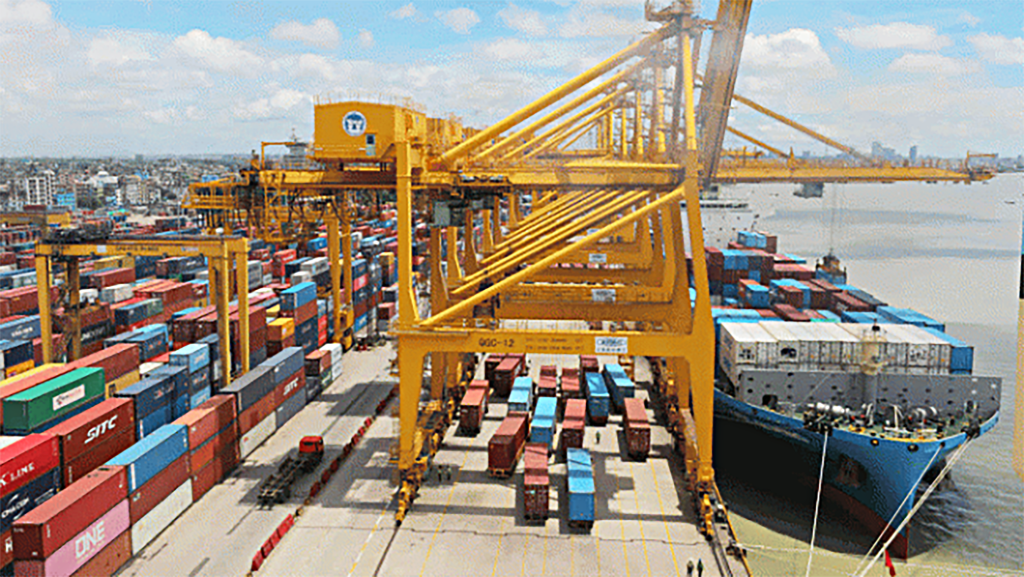
Bangladesh Navy Assumes Control of New Mooring Container Terminal at Chattogram Port
The operational control of the New Mooring Container Terminal (NCT) at Chattogram Port has officially been transferred to Chittagong Dry Dock Ltd, a subsidiary of the Bangladesh Navy, following the expiration of the contract with previous private operator Saif Powertec Ltd on July 6, 2025.
Md Omar Faruk, Secretary of the Chittagong Port Authority (CPA), confirmed the handover, noting that terminal activities continue seamlessly under the Navy’s management. The existing workforce and operational systems remain in place, ensuring no disruption to the terminal’s daily functions.
This change signals a notable shift in the management of one of Bangladesh’s busiest maritime gateways amid ongoing discussions about the government’s plans to lease the terminal to foreign operator DP World. The government opted not to renew Saif Powertec’s contract, which had managed both the NCT and the nearby Chittagong Container Terminal (CCT) since their launch in 2007.
The NCT plays a critical role in Bangladesh’s trade infrastructure, handling approximately 1.26 million TEUs (twenty-foot equivalent units) in 2024, out of the port’s total throughput of 3.28 million TEUs, according to official data.
The shipping ministry’s decision to bring NCT under the direct management of CPA was announced in mid-June 2025. Subsequent government communications suggested increased involvement of the Bangladesh Navy in the terminal’s operations. In late June, Shipping Adviser Brigadier General (Retd.) M Sakhawat Hussain indicated the Navy’s impending role, which was formally confirmed in early July as an interim six-month arrangement.
The Bangladesh Navy’s takeover is intended as a strategic move to stabilize terminal operations during this transitional phase, providing continuity while the government finalizes long-term management plans for this vital port facility.
Source: www.textiletoday.com