
Asian Maritime News
Singapore Accelerates Global Trade Efficiency with AI-Driven Port Operations
Singapore has taken another decisive step toward reinforcing its status as a global maritime and logistics leader by advancing the use of artificial intelligence (AI) across port operations. The city-state is integrating AI-enabled systems to optimize vessel traffic management, berth allocation, yard planning, and cargo flow — technologies designed to reduce congestion and improve turnaround times at one of the world’s busiest ports.
These AI solutions allow port operators to analyze real-time data on vessel movements, weather conditions, and cargo volumes, enabling smarter decision-making and predictive planning. By automating complex operational processes, Singapore aims to improve overall port productivity while maintaining high safety and reliability standards for international shipping.
The initiative supports Singapore’s broader strategy to future- proof its maritime sector amid growing global trade volumes and increasing competition among major ports. With supply chains becoming more time-sensitive and digitally integrated, AI-powered port management is expected to enhance Singapore’s attractiveness as a preferred transshipment and logistics hub.
Beyond efficiency gains, the move also aligns with sustainability goals by reducing vessel waiting times and fuel consumption, contributing to lower emissions. Industry stakeholders view the adoption of AI as a critical enabler for long-term growth in maritime trade, particularly as ports worldwide race to adopt smart technologies.
Singapore’s continued investment in digital infrastructure underscores its commitment to innovation-led growth, ensuring that its maritime ecosystem remains competitive, resilient, and ready to support global trade flows well into the future.
Bangladesh and APM Terminals Seal Landmark Deal to Expand Container Trade Capacity
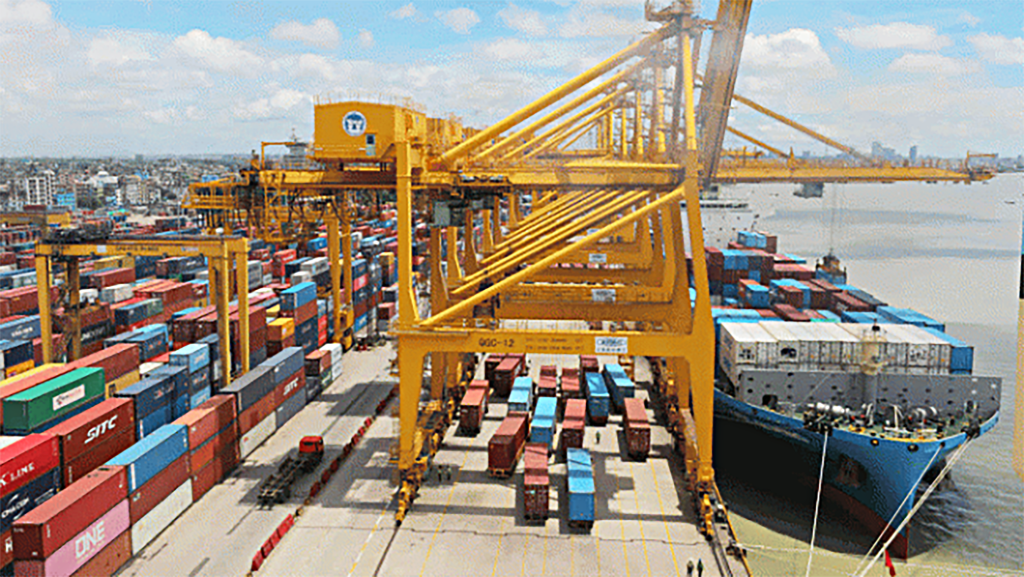
Bangladesh has strengthened its maritime trade ambitions with the signing of a US$550 million concession agreement with APM Terminals to develop and operate the Laldia Container Terminal at Chattogram Port. The long-term public-private partnership marks one of the country’s most significant foreign investments in port infrastructure to date.
Under the agreement, APM Terminals will design, build, equip, and manage the terminal, introducing modern container- handling technology and global operational standards. Once completed, the facility is expected to significantly enhance Chattogram Port’s capacity, allowing it to accommodate larger container vessels and handle rising trade volumes more efficiently.
The project is widely viewed as a transformational step for Bangladesh’s export-driven economy, particularly for the ready-made garments sector, which relies heavily on reliable maritime logistics. Improved port efficiency is expected to reduce cargo dwell times, lower logistics costs, and strengthen Bangladesh’s competitiveness in international markets.
Government officials have highlighted that the project will also generate employment, facilitate skills transfer, and attract additional private investment into the country’s maritime and logistics sectors. For APM Terminals, the agreement represents a strategic expansion in South Asia, reinforcing its role in supporting global supply chains.
As regional trade continues to grow, the Laldia Container Terminal is expected to play a critical role in positioning Bangladesh as a stronger maritime trade hub in the Bay of Bengal.
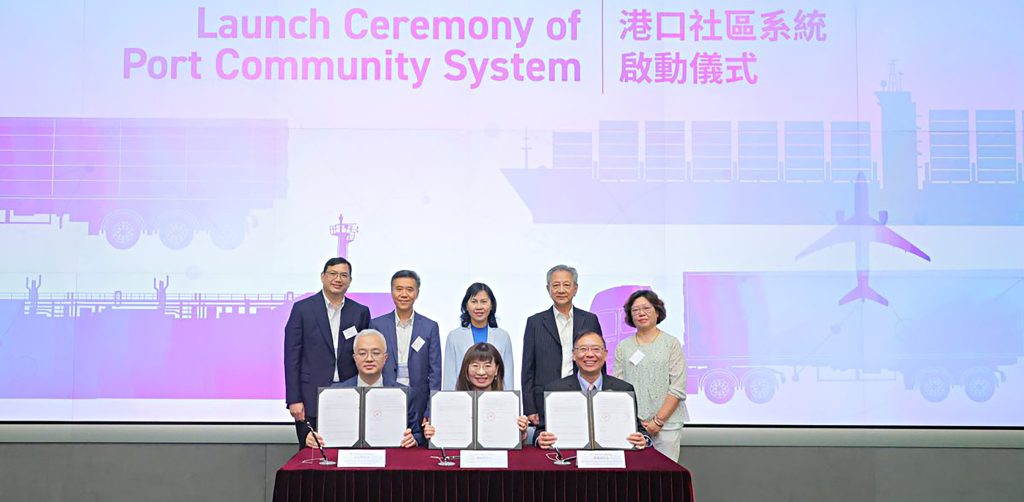
By embracing digitalisation through the PCS, Hong Kong aims to consolidate its maritime competitiveness, facilitate smoother trade flows, and lead the way toward a smarter, more connected port ecosystem.
Vietnam Emerges as a Key Breakbulk and Container Shipping Powerhouse in Southeast Asia
Vietnam is rapidly consolidating its position as one of Southeast Asia’s most dynamic maritime trade hubs, driven by rising breakbulk and container shipping activity across its ports. Strategic investments in port infrastructure, combined with strong manufacturing growth, have significantly increased cargo volumes moving through Vietnamese terminals.
Industry observers note that Vietnam’s ports are increasingly handling project cargo, heavy lifts, and containerized goods supporting sectors such as energy, construction, and industrial manufacturing. Improved connectivity to major global shipping routes has further strengthened Vietnam’s role within regional and international supply chains.
Port operators have expanded terminal capacity and upgraded handling equipment to meet growing demand, while logistics providers continue to enhance hinterland connectivity. These developments have enabled Vietnam to attract new shipping services and diversify its cargo base, reducing dependency on any single trade lane.
Vietnam’s rise reflects broader shifts in global manufacturing and trade patterns, with companies seeking resilient and cost- effective production bases in Southeast Asia. The country’s expanding maritime capabilities are playing a crucial role in supporting these shifts by ensuring efficient export and import flows.
As trade volumes continue to grow, Vietnam is expected to further invest in port modernization and logistics infrastructure, strengthening its long-term competitiveness and cementing its status as a key maritime gateway in the region.

Port Klang’s Continued Growth Reinforces Malaysia’s Role in Global Maritime Trade
Port Klang has continued its upward trajectory, reinforcing Malaysia’s position as a major maritime and logistics hub in Southeast Asia. Strategic infrastructure investments and operational improvements have enabled the port to handle increasing container volumes while maintaining efficient turnaround times for shipping lines.

Located along the vital Strait of Malacca, one of the world’s busiest shipping lanes, Port Klang plays a critical role in facilitating east-west trade flows. Ongoing expansion projects and improved port connectivity have strengthened its appeal to global carriers seeking reliable transshipment and gateway services.
The port’s growth supports Malaysia’s broader economic and trade objectives, helping local exporters gain smoother access to international markets while attracting foreign direct investment into logistics and manufacturing. Industry stakeholders credit the port’s success to continuous capacity upgrades, digital initiatives, and strong collaboration between public and private sector operators.
As global trade patterns evolve, Port Klang’s strategic location and expanding capabilities position it well to capture future growth in regional and international cargo movements. The port’s development also reflects ASEAN’s rising importance in global supply chains.
Southeast Asia Invests Heavily in Smart Ports to Strengthen Trade Competitiveness
Countries across Southeast Asia are accelerating investments in modern port infrastructure and smart technologies to support long-term trade growth. Governments and private operators are expanding terminals, upgrading equipment, and adopting digital platforms to improve efficiency and resilience across maritime supply chains.
These investments are driven by rising trade volumes, increasing vessel sizes, and the need for faster cargo handling. Automation, data analytics, and digital logistics systems are being deployed to reduce turnaround times and improve coordination between ports, shipping lines, and hinterland transport networks.
Industry analysts highlight that smart port development is becoming a critical differentiator for attracting global shipping services. Ports that can offer reliability, transparency, and efficiency are better positioned to support complex, time-sensitive supply chains.
The regional push for port modernization also supports broader economic integration within ASEAN, facilitating smoother intra-regional trade and enhancing connectivity with global markets. As Southeast Asia continues to play a growing role in global manufacturing and consumption, efficient maritime infrastructure will remain essential.
Collectively, these investments are expected to future-proof the region’s ports, ensuring they remain competitive and capable of supporting sustainable trade growth in the years ahead.
Wärtsilä and Sinocrew Launch Advanced Seafarer Training Centre in China
International technology group Wärtsilä and Sinocrew Maritime Services have inaugurated a state-of-the- art maritime training centre in Beihai, China, aimed at equipping seafarers with skills for the next generation of decarbonisation and maritime technologies.
The new facility, part of the Beihai International Seafarer Training Center (BISTC), features advanced marine simulators and specialist training programs focused on sustainable cruise operations and emerging ship technologies. The partnership also signed a framework MOU to establish the Maritime Advancement in Simulation, Technology and R&D Services (MASTERS) initiative, designed to continuously evolve seafarer competencies for a rapidly advancing industry.
Officials noted that the training centre will serve the wider ASEAN region, supporting efforts to upskill the maritime workforce in technologies such as alternative fuels, energy-efficient vessel systems, and digital navigation tools. As shipping decarbonisation accelerates globally, seafarers with advanced technical expertise will be essential to safe and efficient operations.
This initiative reflects broader industry trends toward investing in human capital alongside technological progress, ensuring that maritime professionals are prepared for the evolving demands of global trade.
Hong Kong Maritime Week Advances Digital Trade Platforms and Green Fuel Bunkering
The 2025 Hong Kong Maritime Week highlighted significant advancements in digital trade facilitation and energy transition initiatives within Asia’s maritime sector. Organisers revealed plans to launch a Port Community System harnessing AI, blockchain, and cloud computing, which will enable real-time cargo tracking and seamless data exchange across transport modes.
This system aims to streamline customs declarations, improve supply chain transparency, and unlock new opportunities for trade financing. The development reflects Hong Kong’s strategic drive to enhance its competitive edge as a digital trade and logistics hub in Asia.
In tandem, Hong Kong is progressing its green maritime fuel bunkering action plan, positioning the port to offer commercial bunkering services for a range of low-carbon fuels. This initiative supports shipping lines’ decarbonisation goals and aligns with broader regional commitments to sustainability.
Maritime Week also showcased discussions on regulatory sandboxes for logistics innovation and the growing importance of technology in fostering resilient and efficient trade infrastructure.
Pakistan’s Maritime Sector Posts Record Profit After Major Reforms
Pakistan’s maritime sector achieved a record Rs100 billion (around US$360 million) profit in 2025, driven by comprehensive reforms that modernised port operations, improved efficiency, and streamlined regulatory frameworks. The Federal Minister for Maritime Affairs, Muhammad Junaid Anwar Chaudhry, described 2025 as a “transformative year” marked by more than two dozen initiatives spanning legislation, digitisation, infrastructure upgrades, and workforce development.
These measures helped reduce operational costs and align Pakistan’s maritime standards with international conventions, unlocking the sector’s true potential and enhancing its role as a regional trade hub. Improvements included the adoption of digital systems for port clearances and logistics coordination, stronger policy frameworks for shipping and fisheries, and enhanced alignment with International Maritime Organization standards. The profit milestone reflects growing confidence in Pakistan’s blue economy and interest from global trade partners looking to engage with more efficient, transparent port services. This progress positions Pakistan to expand export competitiveness, attract investment, and build long-term trade connectivity across Asia and beyond — a clear positive step for the nation’s maritime trade prospects.
Indian Ports Expand Capacity with Infrastructure & Technology Investment
India’s ports are rapidly enhancing capacity and throughput as terminal projects and technology investments gain momentum. Industry reports indicate that several major Indian ports are expanding with new deep-water terminal projects and modern handling equipment, positioning the country to handle more than 50 million TEUs (twenty-foot equivalent units) in the coming years. These developments include investments in automated logistics systems, advanced cargo handling cranes, and digital platforms designed to reduce vessel turnaround times and boost trade competitiveness. The infrastructure push aligns with India’s broader maritime vision, which emphasises port modernisation, seamless customs connectivity, and growth in both exports and imports. As India integrates new technologies and scales port operations, it is better positioned to support global supply chains and offer greater reliability to international shipping lines. This trend reflects sustained commitment to building efficient trade corridors that serve domestic and regional markets while enhancing India’s role in global maritime commerce.
Sri Lanka’s Port of Colombo Sets Historic Container Throughput Record in 2025
The Port of Colombo has achieved a major milestone in 2025, recording a historic high in container throughput that underscores Sri Lanka’s growing stature as a key maritime trade hub in South Asia. According to official figures, the port handled 8,291,178 twenty-foot equivalent units (TEUs) during the year, marking the largest volume in its history and reflecting sustained growth in both transshipment and domestic cargo activity.
This record performance represents a significant year-on-year increase over the 7.79 million TEUs handled in 2024, reinforcing Colombo’s strategic position along major East-West shipping routes and its appeal as a preferred transshipment gateway for global carriers. The port’s growth has been driven by coordinated efforts across all operating terminals, including the Sri Lanka Ports Authority (SLPA) facilities and key private- sector partners.
A pivotal factor in this achievement has been the operational ramp-up of the Colombo West International Terminal (CWIT) — Sri Lanka’s first fully automated deep-water container terminal, operated through a joint venture between the Adani Group, John Keells Holdings, and the SLPA. The state-of-the-art facility has expanded the port’s capacity to efficiently handle ultra-large container vessels, boosting productivity and reducing turnaround times for shippers.
Beyond transshipment, Colombo has also seen robust growth in domestic cargo movements, signaling stronger import and export activity tied to Sri Lanka’s broader economic recovery. Industry analysts highlight that disciplined investment in infrastructure, enhanced terminal operations, and strategic collaborations with international partners have been central to the port’s success. With global trade patterns continuing to evolve, Colombo’s milestone throughput underscores its rising prominence in regional logistics and its potential to further expand trade flows across the Indian Ocean and beyond in the coming years.