
News Worldwide
Surge in Sea Robbery Prompts ReCAAP ISC to Convene Industry Dialogue on Straits of Malacca and Singapore Security
In response to a sharp rise in sea robbery incidents, the ReCAAP Information Sharing Centre (ISC) recently hosted a dialogue with stakeholders from the global shipping industry to address the deteriorating security situation in the Straits of Malacca and Singapore (SOMS).
Between January and June 2025, 80 incidents of sea robbery were reported in the SOMS—nearly four times the number recorded in the same period in 2024, when only 21 incidents were logged. The majority involved theft and unauthorised boarding, with perpetrators typically fleeing once discovered and no crew members harmed.
The dialogue focused on raising awareness and reinforcing the need for timely incident reporting to law enforcement agencies of the littoral States—Singapore, Malaysia, and Indonesia—whose waters make up the high-traffic corridor. Participants also shared case studies of recent robberies and discussed practical onboard security measures.
Key preventive strategies highlighted included deploying additional night watch crews, installing CCTV systems to gather evidence, and maintaining high levels of vigilance during transits, particularly during night-time hours when most incidents occur. Representatives from the Maritime and Port Authority of Singapore (MPA), Singapore Police Coast Guard, Information Fusion Centre (IFC), and Hafnia Chem Shipholding also joined the discussion, presenting insights into inter-agency coordination and joint efforts to deter criminal activity in the region.
The dialogue underscored the strategic importance of the SOMS, through which nearly half of global seaborne trade passes each year. The significant uptick in maritime crime in this critical corridor has raised alarms across the industry, prompting calls for increased patrols, stronger law enforcement presence, and swift prosecution of offenders to restore maritime security. The ReCAAP ISC urged shipmasters and operators to remain proactive in implementing shipboard safeguards and to support authorities through prompt and accurate incident reporting.
Itochu Orders World’s First Ammonia Bunkering Vessel, Targeting 2027 Launch
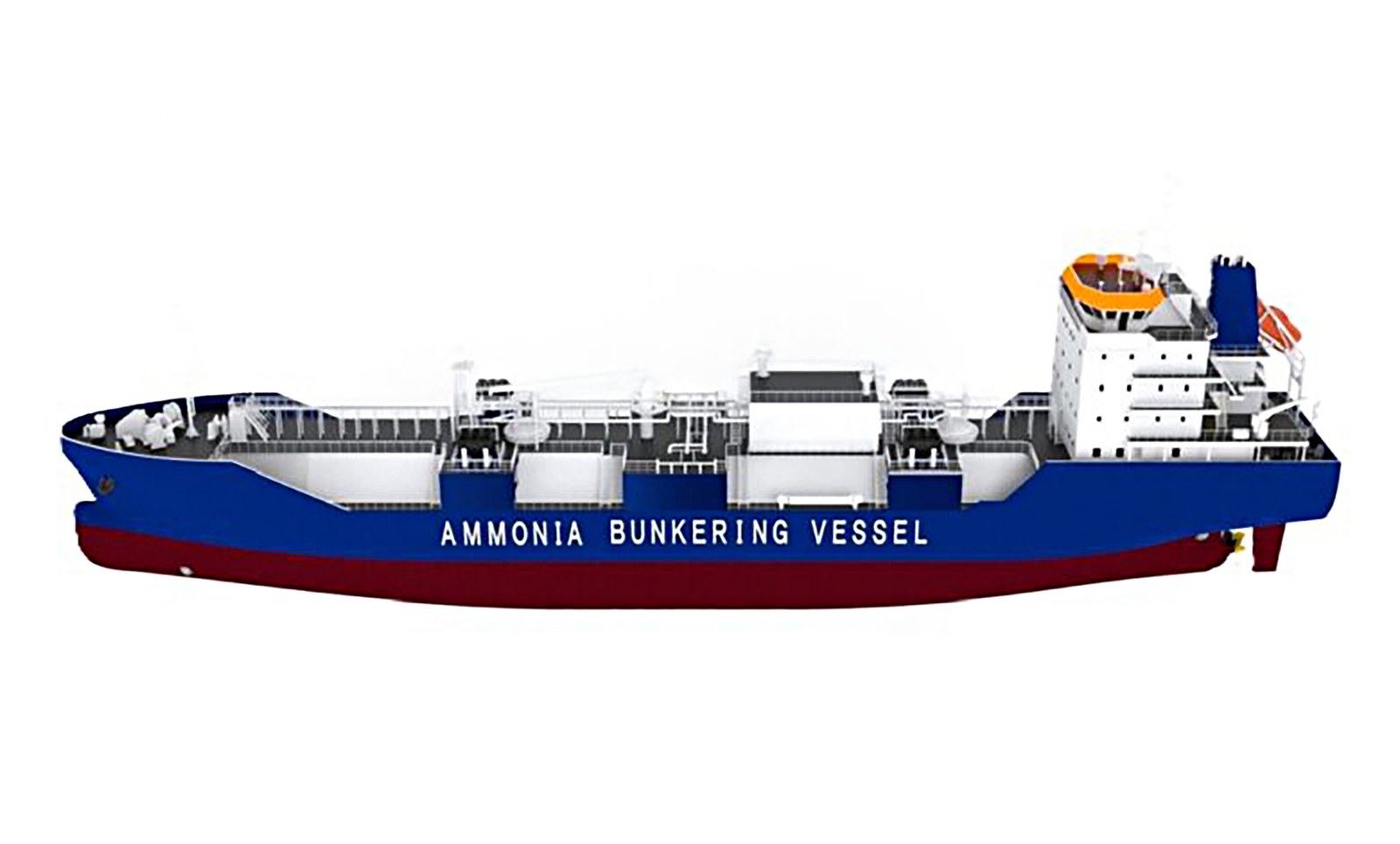
Japanese trading powerhouse Itochu Corporation has taken a major step toward maritime decarbonisation by commissioning the world’s first ammonia bunkering vessel, expected to enter service by September 2027.
Through its Singapore-based bunkering subsidiary, Itochu has signed a shipbuilding agreement with Sasaki Shipbuilding for a 5,000-cubic-metre ammonia bunkering vessel. Additionally, it partnered with Izumi Steel Works for the construction of a dedicated ammonia tank plant to be installed on the vessel.
The ship will be flagged under Singapore, the world’s busiest bunkering port, reinforcing the country’s growing role as a regional hub for alternative marine fuels.
This move positions Itochu at the forefront of the green ammonia supply chain, encompassing everything from fuel production and storage to ship-to-ship bunkering operations. The company aims to lead the shift toward zero-carbon fuels by building an integrated value chain for green ammonia.
The initiative is part of Itochu’s broader maritime energy strategy, which includes establishing ammonia production bases and working with Japanese shipyards, classification societies, and fuel providers to develop ammonia-fueled ship designs and regulatory standards.
While other nations such as Singapore, Norway, and South Korea have initiated feasibility studies and infrastructure planning for ammonia bunkering, Itochu’s project marks the first full-scale vessel order of its kind—signalling a key turning point in alternative fuel readiness.
As the shipping industry intensifies its efforts to meet IMO decarbonisation targets, demand for viable zero-emission bunkering options is growing. Ammonia, with its carbon-free combustion potential and growing global production capacity, is increasingly viewed as a promising solution for deep-sea vessels.
Itochu’s pioneering vessel will serve as a working model for the commercialisation of ammonia bunkering and could accelerate regulatory alignment, safety standards, and supply chain development across the maritime sector.
HD Hyundai Teams Up with India’s Cochin Shipyard to Expand Global Reach
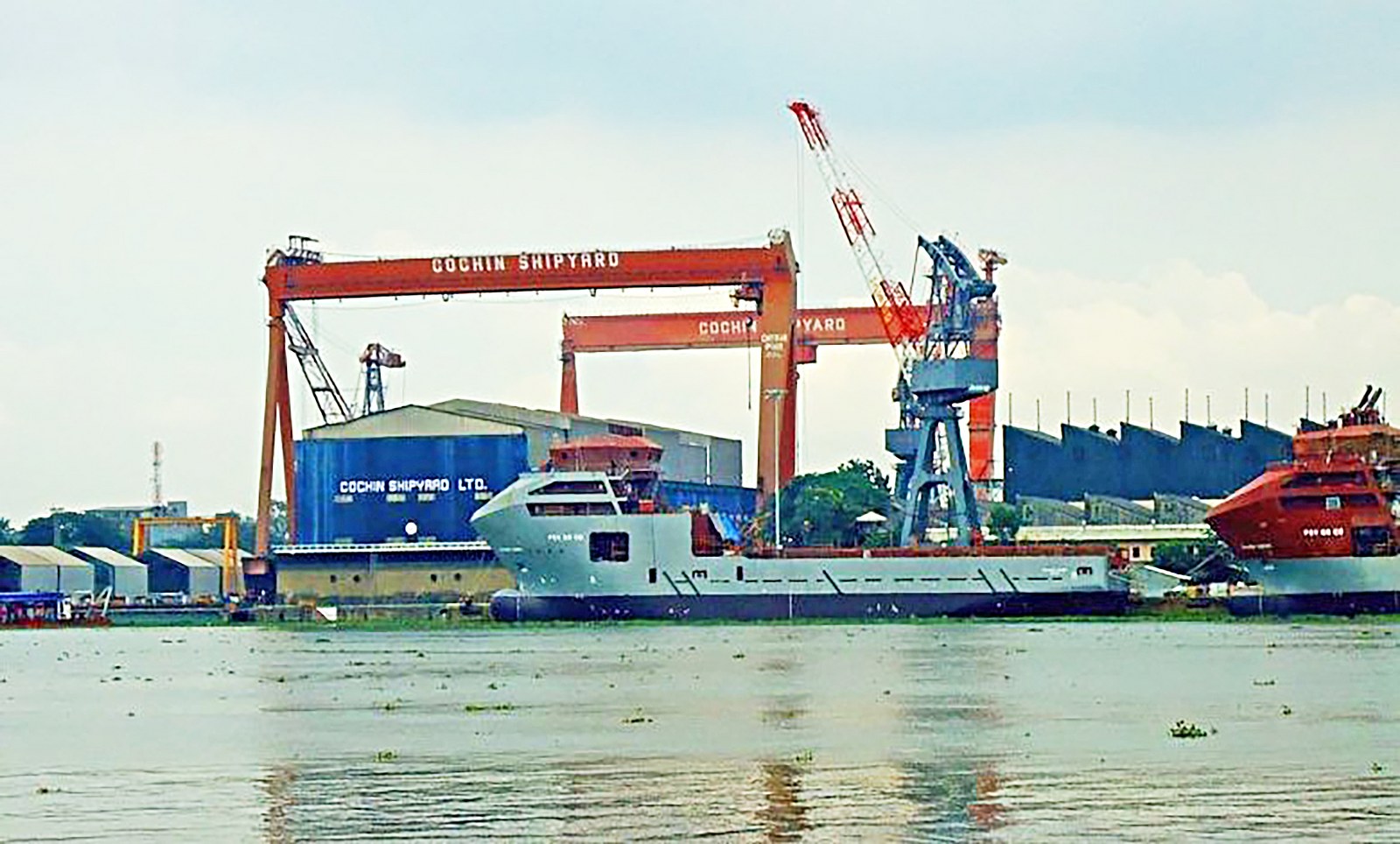
D Hyundai Group, South Korea’s largest shipbuilding conglomerate, has signed a memorandum of understanding (MoU) with Cochin Shipyard Ltd (CSL), India’s leading state-owned shipbuilder. The agreement represents a strategic move by HD Hyundai to strengthen its position in emerging shipbuilding markets.
Signed on Sunday, the MoU outlines cooperation across several key areas, including vessel design, technology sharing, equipment procurement, and advanced training programs aimed at upskilling the workforce. The two companies also plan to explore collaborative shipbuilding projects both within India and in international markets.
This initiative supports India’s broader national goal of becoming one of the world’s top 10 shipbuilding nations. Based in Kerala, CSL is the largest public- sector shipyard in India and is majority owned by the Indian government.
“We aim to enhance Cochin Shipyard’s global competitiveness by leveraging our technical know-how, while also fostering mutual growth with Korean equipment partners,” HD Hyundai stated.
This collaboration marks another step in HD Hyundai’s global expansion strategy. The company has previously forged partnerships with shipyards in countries including Vietnam, the Philippines, Saudi Arabia, and the United States.
Awake.AI and Fintraffic Expand AI- Powered ETA Platform Across Baltic Sea
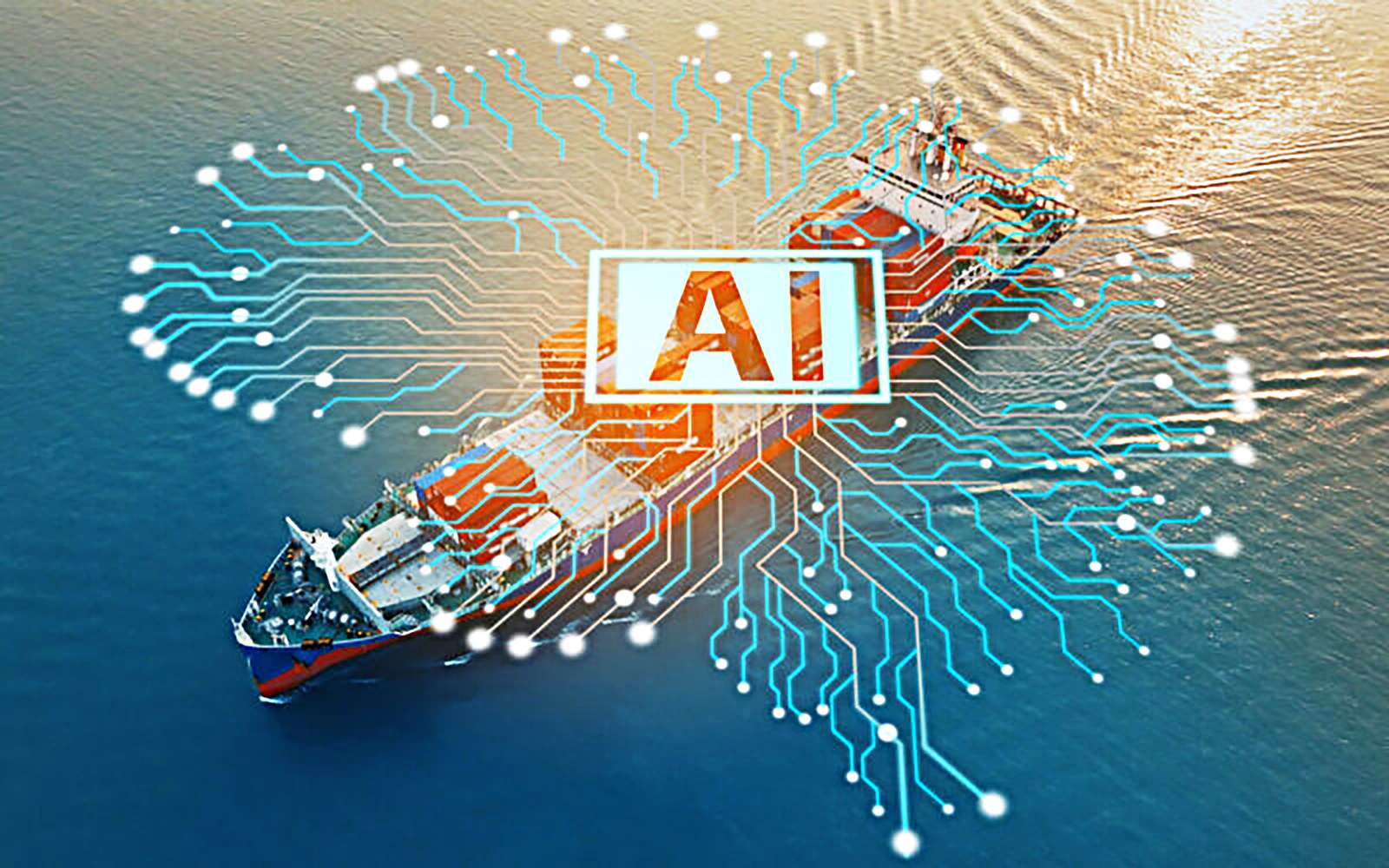
Finnish maritime technology firms Awake.AI and Fintraffic Vessel Traffic Services Ltd. are broadening the reach of their AI-driven Port Call ETA Prediction and Event Monitoring Service, rolling it out across more of the Baltic Sea region in a bid to streamline port logistics and enhance operational efficiency.
The expanded service harnesses artificial intelligence to provide real-time estimated time of arrival (ETA) predictions for ships, tracking key maritime events such as berth arrivals, pilot boarding, and mooring operations. Drawing from historical AIS data, live vessel traffic feeds, route planning inputs, and weather forecasts, the system continuously updates to reflect real-time changes during a voyage.
Supporting Just-in-Time Port Operations
At the heart of the service is the goal of enabling Just-In-Time (JIT) shipping, a model that reduces unnecessary waiting times at ports, improves berth scheduling, and lowers emissions from idling vessels. The tool delivers its data through a standardized API, making it easier for port stakeholders—including terminal operators, shipping lines, and hinterland logistics providers— to integrate predictive insights into their own platforms and decision-making systems. “By improving the predictability of vessel arrivals and port activities, we’re not only enhancing efficiency but also helping reduce fuel consumption and carbon emissions,” said a representative from Awake.AI. “It’s a major step toward greener and smarter maritime logistics.”
Gradual Regional Expansion Underway
While the system is already operational in key parts of the Baltic, both companies confirmed that additional country- specific configurations are underway to broaden service coverage. The platform also enables authorised users to define and add custom ETA checkpoints and event-monitoring locations, offering flexibility for diverse port setups and traffic conditions.
According to Fintraffic, the gradual rollout is designed to improve situational awareness and foster better information-sharing across maritime transport and logistics organisations, both regionally and internationally.
Broader Ecosystem of Maritime Intelligence
The expansion comes as part of a broader push by Awake. AI to leverage AI technologies for port digitalisation and decarbonisation. In April 2025, the company partnered with StormGeo, a weather intelligence provider, to bring AI-based port analytics and performance metrics to StormGeo’s global maritime clients. Additionally, Awake.AI recently secured a tender for a digital solution addressing CO₂ and logistics optimisation, strengthening its position in the growing market for green maritime technology.
Outlook
As port congestion, environmental pressure, and digital transformation remain high on the maritime industry’s agenda, AI solutions like Awake.AI and Fintraffic’s ETA platform are gaining attention as practical tools to support smarter, more sustainable shipping. With expansion efforts underway, the platform is expected to play a critical role in the Baltic region’s digital infrastructure, setting a model for other geographies seeking to modernize maritime logistics and reduce emissions through intelligent coordination.
EU Establishes Low-Carbon Hydrogen Fuel Standards
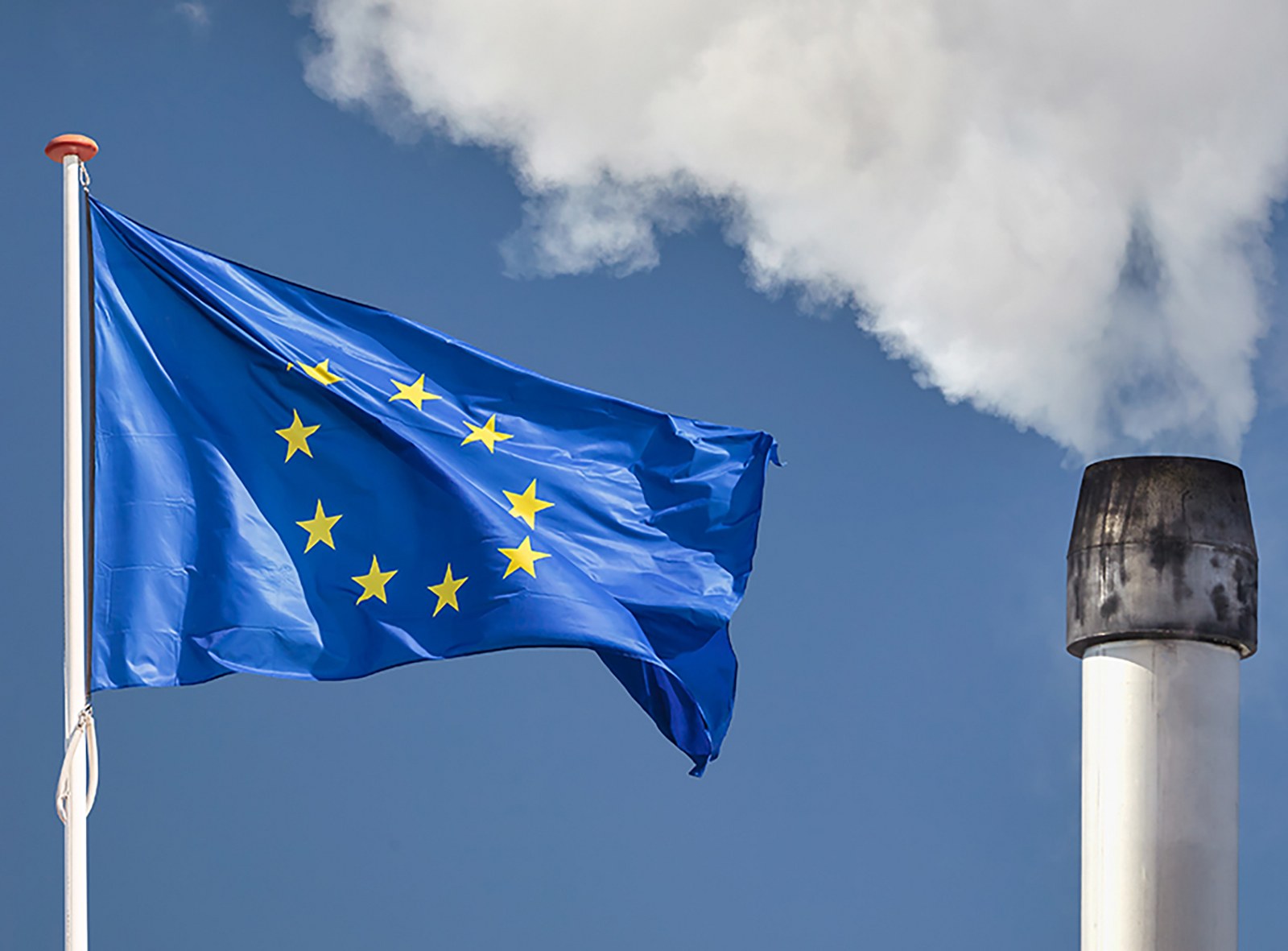
On July 8, the European Commission took a significant step forward in the decarbonization of energy and maritime fuels by adopting a delegated act that sets out a flexible, pragmatic methodology to define low-carbon hydrogen.
What Counts as Low-Carbon Hydrogen?
To qualify as low carbon, hydrogen and related fuels must achieve at least 70% greenhouse gas (GHG) emissions savings compared to the use of unabated fossil fuels. This definition allows for diverse production methods, including:
- Hydrogen produced from natural gas combined with carbon capture, utilisation, and storage (CCUS), which prevents emissions during hydrogen production.
- Hydrogen generated using low-carbon electricity sources, such as renewables.
The act acknowledges the varied energy mixes across EU Member States and offers a framework adaptable to each country’s circumstances.
The Role of Carbon Capture and Storage (CCS)
Carbon storage is a key component of the EU’s strategy, involving the capture of CO₂ emissions—either directly from industrial sources like power plants or from the atmosphere— and securely storing it underground. As CCS technology gains momentum, maritime transport is expected to become a vital part of the CCS value chain.
This trend is anticipated to increase demand for specialized vessels such as liquefied CO₂ (LCO₂) carriers, essential for transporting captured carbon safely and efficiently to storage sites.
Methane Emissions and Regulation
Alongside the hydrogen standards, the Commission is intensifying efforts to implement the Methane Regulation, targeting reductions in methane emissions from maritime and other sectors.
Recent research from the International Council on Clean Transportation (ICCT) revealed that the methane slip—the unburned methane escaping from LNG marine engines—is higher in practice than current regulations assume. Real-world measurements show an average methane slip of 6.4% in the most common LNG engine type, compared to the EU’s current regulatory assumption of 3.1% and the IMO’s 3.5%.
This data underscores the need for more stringent and practical methane controls to align with environmental goals.
Future Developments and Regulatory Review
Looking ahead, the European Commission will evaluate how introducing alternative pathways for low-carbon hydrogen impacts the energy system and emission reductions. It will also ensure a level playing field for hydrogen produced using fully renewable electricity.
In 2026, the Commission plans to launch a public consultation on draft methodologies regarding the use of Power Purchase Agreements (PPAs) for nuclear energy, clarifying rules for low-carbon hydrogen produced directly from nuclear sources.
Legislative Process and Implementation
Following its adoption, the delegated act will be sent to the European Parliament and the Council, which have up to two months to review and approve or reject the proposal. This period may be extended by another two months if requested, but neither institution can amend the text.
Supporting Europe’s Hydrogen Economy
Dan Jørgensen, EU Commissioner for Energy and Housing, emphasized the significance of the new rules: “Hydrogen will play a key role in the decarbonisation of our economy. With a pragmatic definition of low-carbon hydrogen that respects the energy mix of all EU countries, we are providing the necessary certainty to investors. This will support the growth of a sector which is key for both our competitiveness and our climate objectives.”
Launch of the Hydrogen Mechanism Platform
In parallel, the Commission launched the Hydrogen Mechanism under the broader EU Energy and Raw Materials Platform. This online hub covers hydrogen, raw materials, natural gas, and biomethane, with plans to expand to other products.
The platform aims to empower European companies by:
- Matching and aggregating hydrogen demand and supply.
- Identifying infrastructure development needs.
- Facilitating access to financial solutions and market information.
This initiative is designed to accelerate the market uptake of hydrogen and support Europe’s transition toward a low-carbon energy future.
IACS Reports Progress on Safe Decarbonisation and Digital Transformation
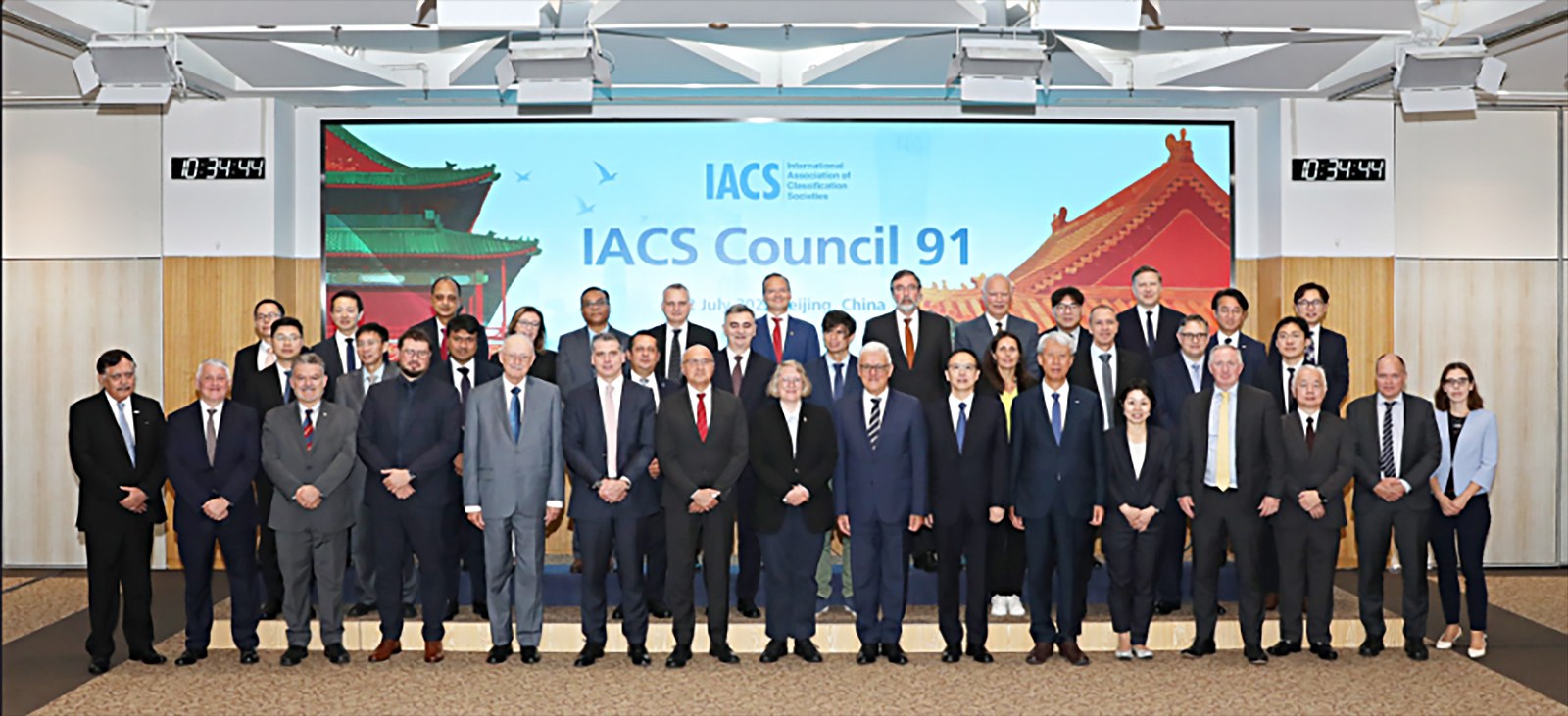
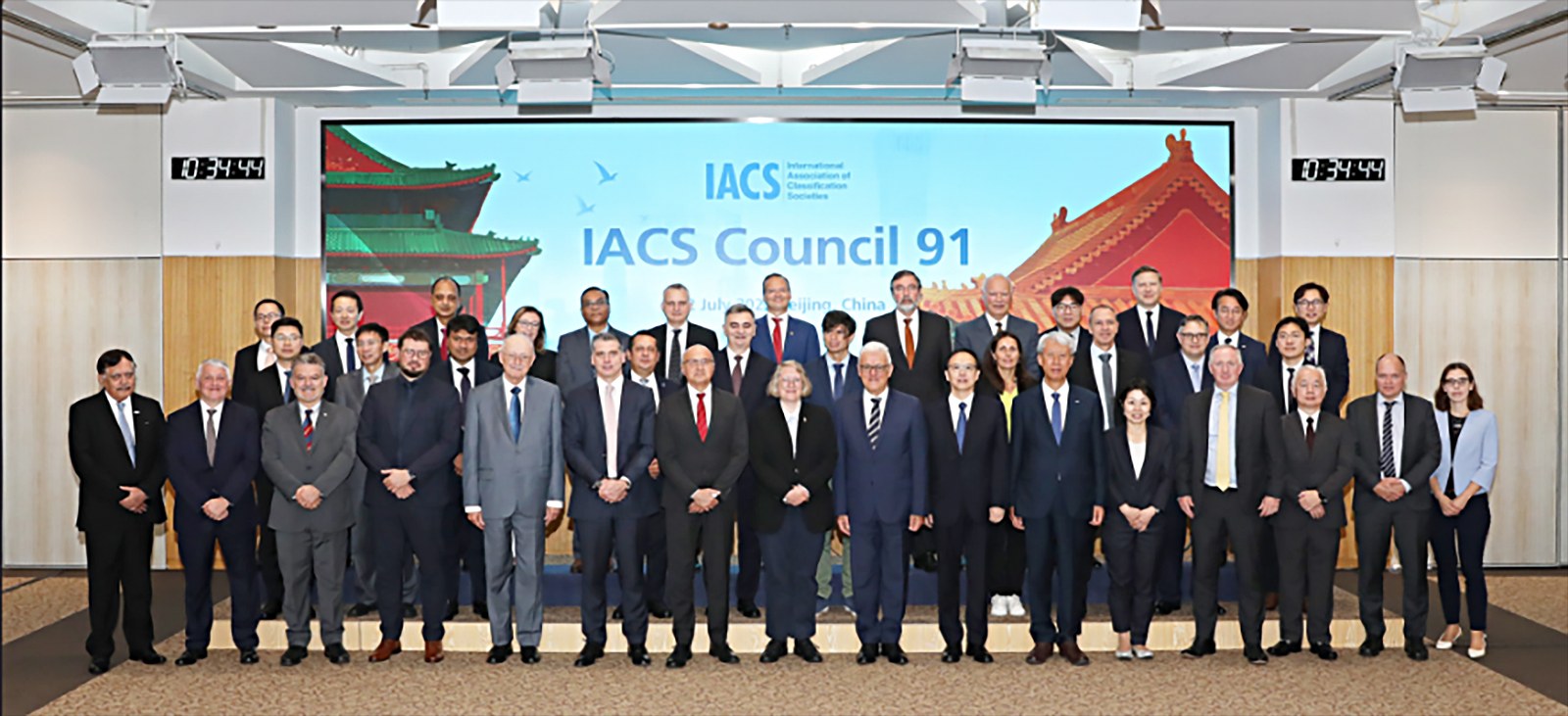
The International Association of Classification Societies (IACS) recently convened its 91st Council meeting in Beijing to review advancements in safe decarbonisation and digitalisation within the maritime sector.
Decarbonisation Efforts and Technical Guidance
Three years after launching its Safe Decarbonisation Panel, IACS has made significant progress in developing technical guidance for key alternative fuels and technologies. These cover ammonia, methanol, hydrogen, batteries, and carbon capture. The guidance supports both new builds and existing ships, helping the maritime industry tran- sition to cleaner fuels safely. IACS also works closely with flag States on critical safety assessments like gas dispersion and risk evaluations, as required under the International Code of Safety for Ships Using Gases or Other Low-flashpoint Fuels (IGF Code). Early efforts are underway to assess the potential role of nuclear tech- nologies in shipping.
Advancing Digital Transformation
The Safe Digital Transformation Panel, established in January 2024, has actively defined IACS’s role in areas such as digitalisation, cybersecurity, and autonomous ships. The Council welcomed the panel’s work shared with the IMO at its FAL49 meeting, aligning with the IMO’s broader digital strategy. IACS is developing resolutions covering cybersecurity controls, vessel asset inventories for computer-based systems, classification protocols for complex systems, risk assessments for Maritime Autonomous Surface Ships (MASS), and communications for remote connectivity.
Collaboration with Industry
IACS highlighted ongoing collaboration with industry partners including CIMAC, BIMCO, and multiple Joint Industry Working Groups. These partnerships advance discussions on digital solutions and environmental impacts, such as automated fuel consumption data gathering and noise emissions.
Review of Common Structural Rules (CSR)
The Council reviewed progress on updating the Common Structural Rules, focusing on providing clear technical data and addressing industry feedback. The aim is to ensure the revised CSR maintain or improve safety levels for oil tankers and bulk carriers. Given the extensive consultation and consequence assessments underway, the timeline for CSR adoption remains flexible to accommodate industry input.
Environmental, Social, and Governance (ESG) and IQARB
IACS also discussed integrating ESG principles into its governance framework, aligning environmental and safety goals with social responsibility. The Association reaffirmed its commitment to supporting the International Quality Assessment Review Body (IQARB), emphasizing ongoing expert input and collaboration.
Looking Ahead
Roberto Cazzulo, IACS Council Chair, underscored the Association’s leadership in driving the maritime industry’s decarbonisation and digital transitions while maintaining safety and environmental protection. The biannual Council meetings continue to play a vital role in shaping classification society activities and industry standards.
Germany Allocates €400 Million to Advance Climate-Neutral Shipping and Port Modernization
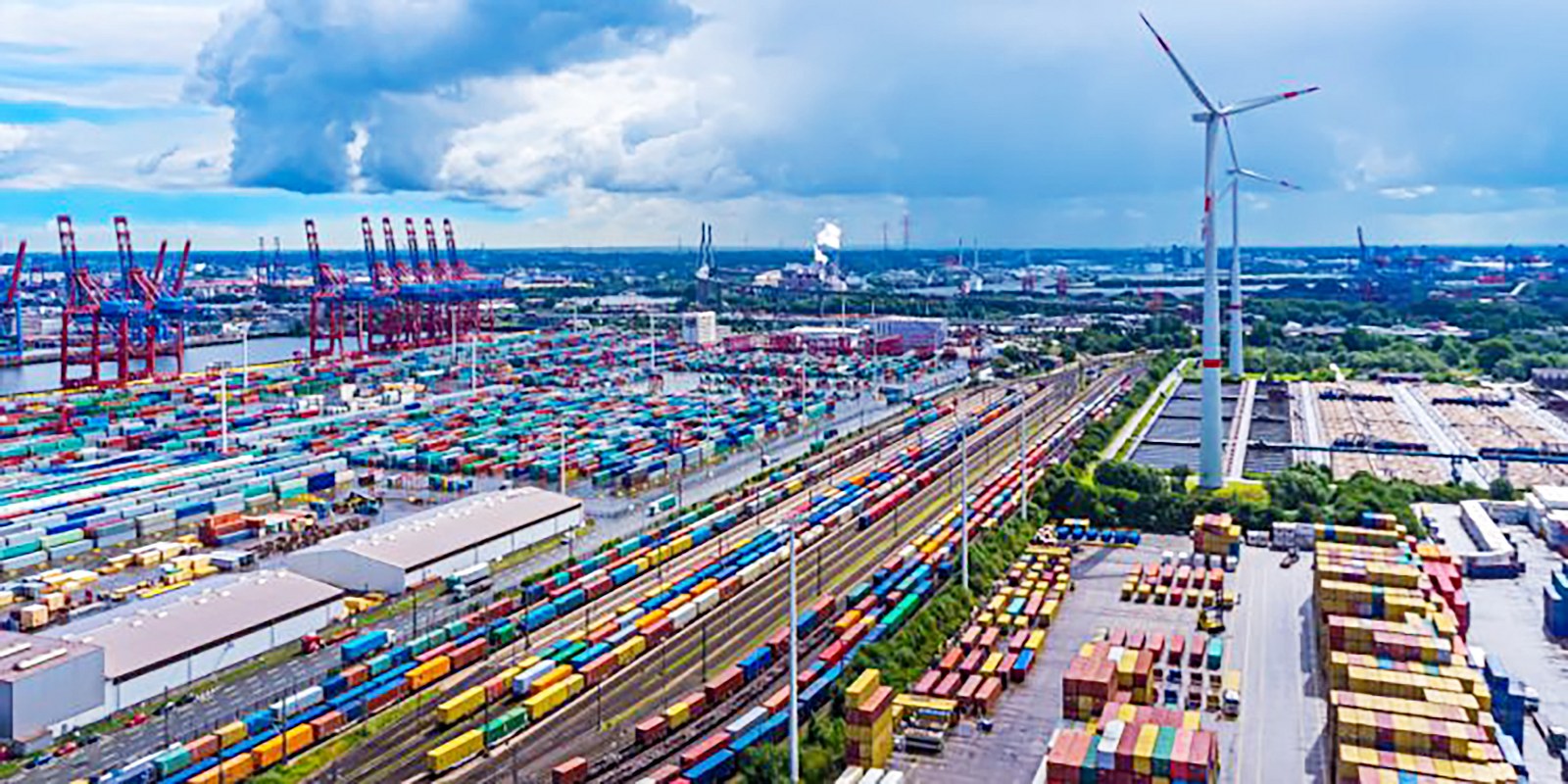
The German government has unveiled a significant €400 million funding package aimed at driving climate- neutral shipping and modernizing port infrastructure. This major investment, sourced from the country’s Climate and Transformation Fund (KTF), reflects Germany’s strong commitment to accelerating its maritime energy transition and fostering sustainable transport corridors.
The funds will be deployed over a four-year period to support key initiatives under Germany’s National Port Strategy and the National Action Plan for Climate-Friendly Shipping. Central to this effort is the co-financing of shore power installations and bunkering facilities tailored for alternative fuels such as hydrogen, ammonia, and other low-carbon energy carriers. These developments are crucial to enabling ships to reduce emissions while docked and to switch from fossil fuels to cleaner energy sources efficiently.
In addition to port upgrades, the funding aims to bolster climate-neutral shipping corridors and inland waterway transport, a strategic move that aligns with Germany’s ambition to reduce the maritime sector’s carbon footprint and enhance the sustainability of its extensive logistics network. Inland waterways serve as vital arteries for freight movement across the country, and greening these routes supports broader climate goals.
Federal Transport Minister Patrick Schnieder highlighted the collaborative approach needed to achieve these ambitious targets, stating, “The federal government, the states, and the private sector must now join forces to meet the demands of transformation. The millions of euros for modernization are an important step in this.” His statement underscores the recognition that public-private partnerships and cross-government coordination are essential for meaningful progress in the maritime sector.
Germany’s strategic investment comes at a pivotal time when global shipping faces mounting pressure to decarbonize amid tightening international regulations and growing environmental concerns. Ports are increasingly viewed not just as transit points but as hubs of sustainable innovation that can drive cleaner fuel adoption, digitalization, and efficient logistics.
The Port of Hamburg, one of Europe’s busiest and most advanced ports, exemplifies this push towards modernization. Investments in shore power and alternative fuel infrastructure at such key locations will serve as benchmarks for other German and European ports aiming to meet net-zero goals. This funding initiative aligns with wider European Union objectives promoting green maritime transport and supports Germany’s position as a global economic hub committed to sustainable development. By investing in climate-neutral infrastructure, Germany aims to maintain its competitive edge while fulfilling international climate commitments.
As the maritime industry evolves, the deployment of modern infrastructure backed by substantial government investment will play a decisive role in shaping a cleaner, more efficient future for shipping and port operations in Germany and beyond.
Sources:
- European Commission, Climate and Transformation Fund (KTF) Announcement, July 2025
- Statements from Germany’s Federal Transport Minister Patrick Schnieder
- German National Port Strategy and National Action Plan for Climate-Friendly Shipping, 2025
- Port of Hamburg official communications
- Industry reports on maritime decarbonization and alternative fuel infrastructure
Call for Global 0.1% Sulphur Fuel Cap: Health and Climate at Stake
A new report from the International Council on Clean Transportation (ICCT) has reignited debate on fuel sulphur limits in shipping, urging the International Maritime Organization (IMO) to adopt a global 0.1% sulphur cap and eliminate open-loop scrubbers. The policy brief highlights the pressing health and environmental implications of current fuel practices, and offers a roadmap to further reduce air pollution from the maritime sector.
The ICCT’s analysis comes five years after the implementation of the IMO 2020 regulation, which lowered the global sulphur content limit in marine fuels from 3.5% to 0.5%. While widely regarded as a landmark decision, projections suggest that the regulation alone remains insufficient to curb air pollution from shipping. According to ICCT estimates, the continued use of higher-sulphur fuels is still linked to approximately 266,000 premature deaths annually, due to respiratory and cardiovascular conditions exacerbated by fine particulate matter (PM2.5) emissions.
The report examines four scenarios, comparing the status quo with a 0.1% global sulphur cap implemented using different fuel types and compliance technologies. Notably, scenarios involving the transition to marine gas oil (MGO) or other cleaner fuels show dramatic reductions in PM2.5 emissions, leading to significant public health gains.
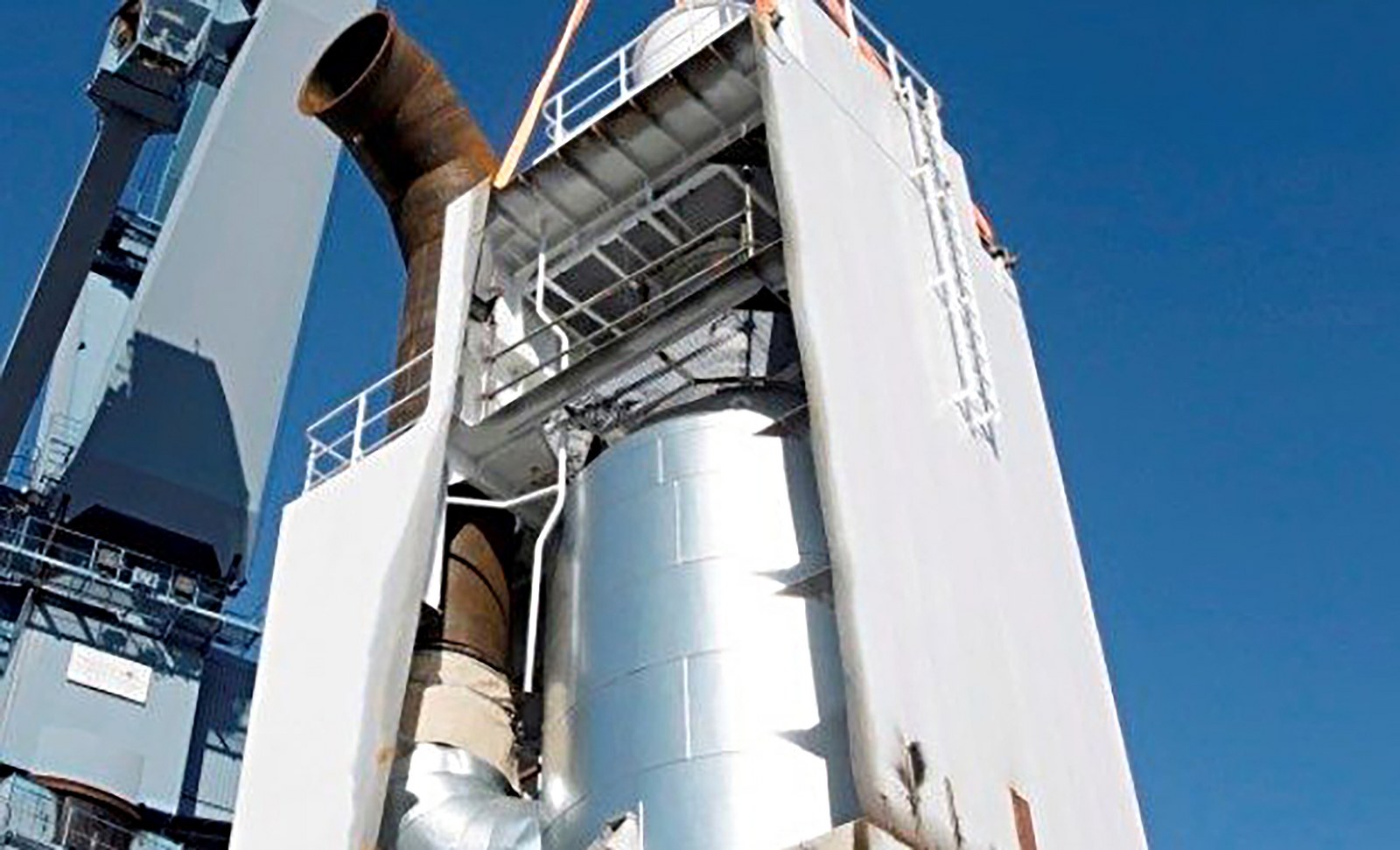
One of the report’s key recommendations is the complete phase-out of open-loop scrubbers, also known as exhaust gas cleaning systems. These systems, which allow ships to continue burning heavy fuel oil while reducing emissions from the exhaust, are under increasing scrutiny for their marine discharge impacts. “Scrubbers are a poor compromise,” says Sönke Diesener of NABU, a German environmental NGO. “They prolong the use of dirty fuels and pollute the sea. A global ban must go hand in hand with stricter sulphur standards.”
Regulatory momentum is already building. Following recent decisions by European environment ministers, open-loop scrubber discharges will be banned in internal waters and ports across the northeast Atlantic by July 2027, with a complete ban on closed-loop discharges scheduled for no later than 2029. The trend reflects growing global concern over scrubber effluents, which can contain heavy metals and hydrocarbons.
About 30% of the global merchant fleet is currently equipped with scrubbers, a figure that soared in the lead-up to the IMO 2020 rules. But the tide may be turning. A universal 0.1% sulphur limit could not only boost global air quality, but also help narrow the cost gap between fossil fuels and low-carbon alternatives—paving the way for broader decarbonization of the shipping sector.
Sources:
- International Council on Clean Transportation (ICCT), July 2025
- IMO Fuel Sulphur Regulations
- NABU (Nature and Biodiversity Conservation Union)
- Clean Shipping Alliance
- Statements from Sönke Diesener
- European Environment Ministers Meeting, June 2025