
News Worldwide
New Orleans and Norway Partner to Drive Maritime Innovation and Trade Growth
The World Trade Center New Orleans has entered a strategic partnership with Innovation Norway, marking a significant step toward strengthening maritime innovation, clean technology development, and international trade collaboration. The agreement brings together public agencies, private companies, and research institutions to accelerate solutions across the maritime value chain.
The partnership focuses on advancing clean shipping technologies, port modernization, and workforce development, while also promoting trade links between the Gulf Coast of the United States and Northern Europe. Norway’s global leadership in maritime decarbonisation, offshore energy, and digital shipping solutions positions the collaboration as a catalyst for innovation-driven growth.
New Orleans, a key logistics and maritime hub on the Mississippi River, is expected to benefit from access to Norwegian expertise in green vessels, port electrification, and smart maritime systems. The initiative also aims to create opportunities for startups and small businesses to engage in cross-border projects, pilot new technologies, and scale commercial solutions.
Industry leaders highlighted that international partnerships are becoming increasingly important as ports and shipping companies navigate digitalisation, climate targets, and evolving global trade flows. By aligning expertise and investment, the collaboration seeks to strengthen supply chain resilience and competitiveness.
The agreement underscores a broader global trend of maritime clusters working together to accelerate technology adoption and sustainable trade infrastructure, positioning both regions to capture long-term economic benefits from the evolving blue economy.
Global Container Port Rankings Highlight Technology and Infrastructure as Key Differentiators
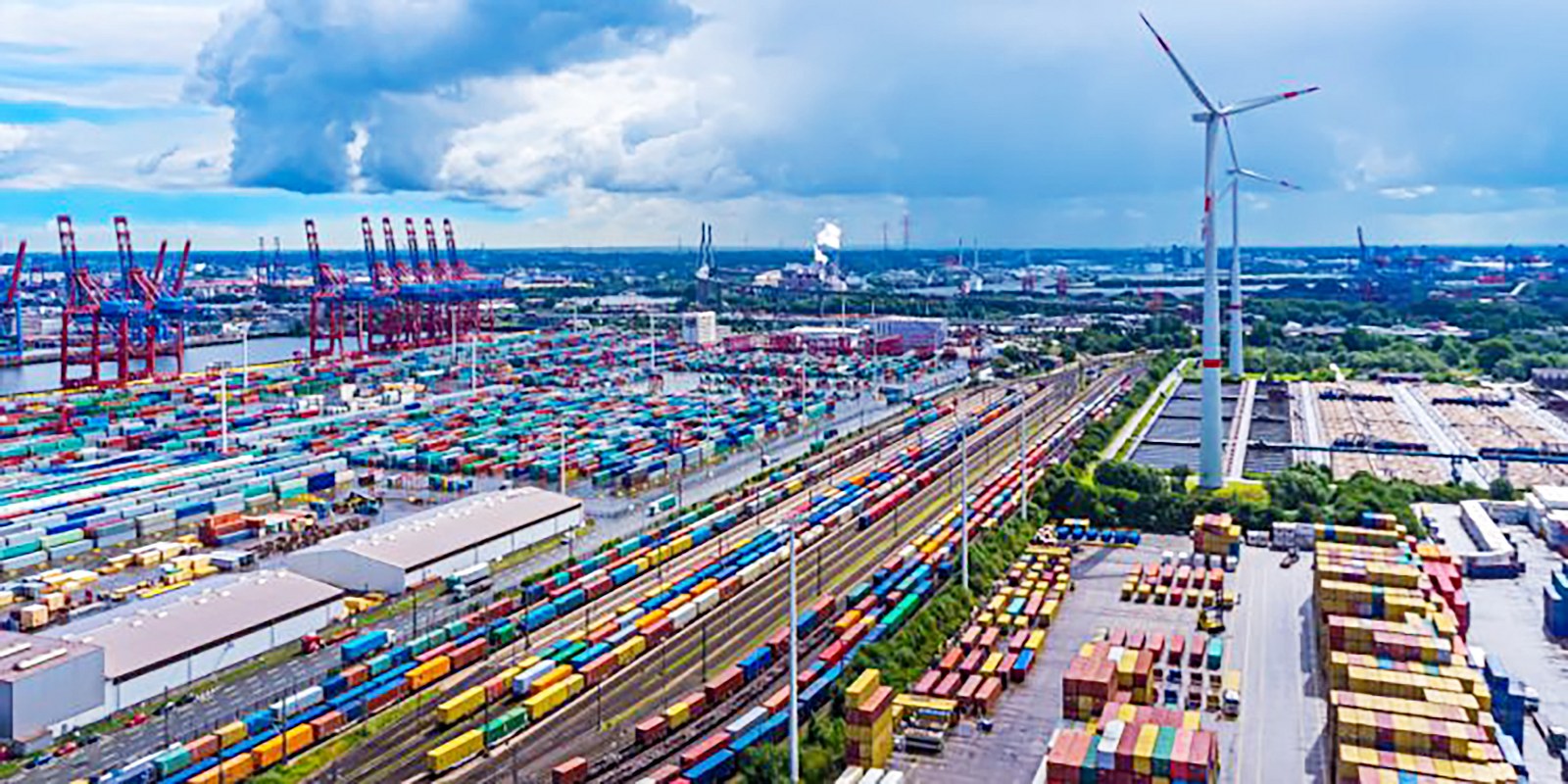
A newly released global benchmark ranking of container ports highlights how technology adoption, infrastructure investment, and sustainability initiatives are reshaping competitiveness across the maritime sector. The assessment evaluates ports based on productivity, connectivity, digitalisation, environmental performance, and customer value.
The report confirms that modern ports are no longer judged solely on cargo volume, but increasingly on their ability to deliver fast, reliable, and transparent logistics services. Automated terminals, data-driven vessel scheduling, and port community systems are emerging as critical tools for improving efficiency and reducing congestion.
Sustainability has also become a major performance indicator, with ports investing in shore power, energy-efficient equipment, and emissions monitoring systems. These initiatives not only support environmental compliance but also attract shipping lines seeking greener supply chains.
Industry analysts note that ports performing strongly in the rankings have pursued long-term infrastructure strategies aligned with trade growth projections. Deep-water berths, expanded container yards, and improved hinterland connectivity are enabling ports to handle larger vessels and growing cargo volumes.
As global trade continues to evolve, the benchmark serves as a roadmap for port authorities and investors seeking to strengthen operational resilience and future-proof maritime infrastructure. The findings reinforce the importance of integrated digital and physical investments in sustaining global trade flows.
Australia Accelerates Port Modernisation to Support Global Trade Connectivity
Australia’s maritime logistics sector is undergoing a significant transformation as ports invest heavily in modern infrastructure, digital supply chains, and smart logistics systems. These upgrades aim to enhance trade efficiency, improve cargo visibility, and support growing import and export volumes.
Port authorities and terminal operators are expanding capacity through deeper channels, upgraded container handling equipment, and improved intermodal connections linking ports with inland transport networks. At the same time, digital platforms are being introduced to streamline customs processes, scheduling, and cargo tracking.
These developments are strengthening Australia’s position as a key gateway for trade across the Pacific and beyond. Industry stakeholders highlight that efficient ports are essential for supporting Australia’s resource exports, agricultural trade, and manufactured goods, while also ensuring reliable access to global markets.
Technology-driven logistics solutions are helping reduce turnaround times and operating costs, making Australian ports more attractive to global shipping lines. Analysts note that the combination of physical infrastructure investment and digital innovation is critical for long-term competitiveness. As global supply chains become more complex, Australia’s port modernisation efforts reflect a broader international shift toward resilient, technology-enabled maritime trade systems.
African Ports Advance Green Shipping Compliance to Strengthen Trade Competitiveness

Ports across Africa are accelerating efforts to align with global green shipping standards, supported by guidance and financing from the African Development Bank (AfDB). The initiative aims to modernise port operations while enhancing trade competitiveness and environmental performance.
Key areas of focus include energy-efficient port equipment, digital monitoring systems, and policy reforms that support low-carbon maritime operations. By adopting cleaner technologies, African ports are positioning themselves to meet evolving international regulations and customer expectations.
Improved environmental performance is also seen as a pathway to attracting new shipping services and trade investment. Ports that demonstrate compliance with global standards are better positioned to integrate into international supply chains and reduce long-term operational risks.
The AfDB has emphasised that green port development supports broader economic goals by improving logistics efficiency, reducing costs, and strengthening regional trade corridors. These reforms are expected to generate employment, support industrial growth, and
enhance connectivity across the continent.
The push toward sustainable port infrastructure highlights Africa’s growing role in global maritime trade and its commitment to future-ready logistics systems.
Ports Worldwide Invest in High-Tech Infrastructure to Meet Future Trade Demand

Ports across Europe, the Americas, Africa, and Oceania are embracing large-scale infrastructure and technology upgrades to support growing global trade volumes. Investments include terminal expansion, automation, artificial intelligence, and alternative fuel infrastructure.
Many ports are deploying smart systems to optimise vessel scheduling, cargo handling, and energy usage, while electrification projects such as shore power are reducing emissions at berth. These developments are helping ports improve efficiency, reliability, and sustainability simultaneously.
Infrastructure projects are also extending beyond port boundaries, with inland logistics corridors and digital freight platforms improving end-to-end supply chain connectivity. Industry experts note that ports adopting integrated approaches are better positioned to handle future trade volatility.
As vessel sizes increase and supply chains demand faster turnaround times, modern port ecosystems are becoming essential for global commerce. The trend underscores a worldwide shift toward resilient, technology-driven maritime gateways capable of supporting long-term economic growth.
Innovative Plan to Convert Cruise Ship Plastic Waste to Oil Targets Lower Emissions and Port Pollution
A pioneering initiative is underway to convert cruise ship plastic waste into usable oil directly at ports, aiming to tackle two critical environmental challenges: maritime emissions and marine litter. The project involves deploying advanced waste-to-energy systems at strategic port locations, where plastic refuse collected from cruise ships will be processed into synthetic fuel, reducing landfill dependence and cutting greenhouse gas emissions.
Cruise ships generate significant volumes of plastic waste annually, including packaging, single-use items, and other materials. Traditional disposal methods often involve offloading waste for landfill or incineration, creating both logistical challenges and environmental hazards. By turning waste into oil, ports can provide a sustainable circular solution that supports cleaner shipping operations while generating an energy resource.
The technology leverages pyrolysis and catalytic conversion, enabling high-efficiency transformation of complex plastic polymers into fuel suitable for port operations or industrial use. Experts note that integrating these systems into port infrastructure also aligns with international sustainability initiatives, such as the International Maritime Organization’s (IMO) strategy on reducing shipboard waste and carbon intensity.
Pilot programs are being planned in several European and North American ports, with the potential to expand globally. Cruise operators have expressed interest, recognizing that waste-to-oil conversion could help meet corporate sustainability targets, enhance brand reputation, and reduce operational costs associated with waste disposal.
Industry observers suggest that if widely adopted, the approach could significantly cut maritime plastic pollution, reduce emissions, and support circular economy objectives, marking a step forward in green port innovation.
News Worldwide Coca-Cola Invests $120,000 in OceanHub Africa to Advance Plastic Waste Innovation
Coca-Cola has contributed $120,000 to the OceanHub Africa initiative, reinforcing the company’s commitment to reducing marine plastic pollution and supporting innovative solutions in coastal regions. OceanHub Africa is a startup accelerator focused on developing scalable technologies to address ocean plastic challenges, including collection, recycling, and repurposing strategies.
The funding will support research and pilot projects that convert collected plastic into sustainable materials or energy, enabling African ports, coastal communities, and shipping companies to implement practical circular solutions. OceanHub Africa partners with local governments, universities, and private-sector stakeholders to create market-ready innovations that enhance marine ecosystem health while generating economic opportunities.
Coca-Cola’s investment aligns with the company’s broader global sustainability agenda, which includes a goal to collect and recycle one bottle for every bottle sold by 2030. Beyond funding, the partnership will leverage technical expertise and logistical networks to improve waste management systems along critical shipping corridors and in port cities.
Startups supported by OceanHub Africa are exploring solutions such as high-efficiency recycling, biodegradable packaging, and energy recovery from plastics, all contributing to cleaner oceans and sustainable maritime trade practices. By enabling the adoption of these technologies, the initiative aims to reduce the environmental footprint of the shipping and beverage industries simultaneously.
Observers emphasize that private-public collaborations like this demonstrate how corporate investment in maritime sustainability can catalyze technological innovation, improve trade logistics, and enhance regional blue economies.
Thermal Drone Technology Monitors Dolphin Health Without Disrupting Ecosystems

Researchers are deploying thermal drones to monitor dolphin populations in coastal waters, enabling real-time health assessments without disturbing natural behaviors. Traditional methods, such as boat-based observation or tagging, can be invasive and stressful for marine mammals. Thermal imaging offers a non-intrusive, technology-driven alternative, capable of detecting body temperature, activity levels, and even stress indicators from a safe distance.
The technology employs infrared sensors mounted on drones, producing high-resolution thermal maps that reveal physiological data in challenging marine environments. Scientists can monitor large groups of dolphins simultaneously, track movement patterns, and detect potential health concerns before they escalate. This approach reduces human intervention while providing critical data for conservation and marine ecosystem management.
Beyond research, thermal drone monitoring has potential applications in port management and shipping operations, allowing authorities to minimize vessel interactions with sensitive species and comply with environmental regulations. Early detection of distressed marine life can also inform sustainable coastal development projects, including offshore infrastructure and maritime trade corridors.
Conservationists have noted that integrating drone technology with AI-driven data analytics could revolutionize marine biodiversity monitoring, enabling scalable, continuous observation in oceans worldwide. By combining cutting- edge imaging, remote sensing, and predictive modeling, this approach supports both ecosystem health and maritime industry compliance with environmental standards. Experts predict that such technology could become standard practice in ports and shipping lanes, balancing trade efficiency with sustainable marine stewardship.
Port of Hamburg Launches iPORTUS Project to Bring Semi-Autonomous Vessels into Routine Operations
The Port of Hamburg Authority (HPA) has officially launched the iPORTUS research initiative, a pioneering effort to integrate semi‑autonomous surface vessels (ASVs) and remote‑controlled low‑emission craft into everyday port operations. This project marks a significant milestone in the port’s strategic modernization plan, blending automation, safety, and sustainability to enhance maritime logistics in one of Europe’s busiest gateways.
Funded with approximately €1.7 million (~US$2 million) under Germany’s Ihatec II program, the iPORTUS consortium brings together industry, research institutions, and government partners, including the HPA, Fraunhofer Center for Maritime Logistics and Services (CML), and Kongsberg Maritime Germany GmbH. The core goal is to develop, test, and validate technologies that allow autonomous and remotely supervised vessels to safely operate alongside conventional craft in complex harbor environments.
Central to the initiative is not only technology development but also regulatory and cybersecurity frameworks that will enable broader deployment of autonomous systems in maritime settings. By establishing remote operations centers (ROCs) and ensuring robust safety protocols, iPORTUS aims to demonstrate how low-emission vessels can reduce environmental impact while improving efficiency and traffic coordination in port waters.
Port authorities and logistics operators across Europe have shown growing interest in automation as global trade volumes rise and sustainability expectations tighten. As autonomous technologies evolve, ports like Hamburg — already a leader in digital integration — are positioning themselves at the forefront of next-generation maritime infrastructure, accelerating trade flows while reducing emissions and operational costs.
Projects such as iPORTUS reflect the broader trend toward digital transformation in maritime logistics, where automation, data analytics, and remote operations collectively contribute to smarter, cleaner, and more resilient port ecosystems. As these technologies mature, ports globally are expected to adopt similar strategies to stay competitive in the evolving trade landscape.
Port of Piraeus Retains European Top-Tier Status as Container Traffic Rebounds
The Port of Piraeus in Greece has maintained its position among Europe’s most vital maritime gateways, reporting a notable rise in container throughput as global trade patterns adjust following recent shifts in shipping routes and logistics demand. Despite broader industry disruptions — such as rerouted traffic around Africa and temporary slowdowns in the Red Sea — Piraeus demonstrated operational resilience and growth, reinforcing its strategic role in Mediterranean and trans-European trade corridors.
Recent figures indicate that Piraeus continues to rank among the top five container ports in Europe, with robust volumes driven by diversified cargo flows and expanding cooperation with major carriers. The port’s performence highlights its capacity to adapt to fast-changing logistics conditions while sustaining growth in imports and exports.
Industry analysts note that ports capable of quickly adjusting operations—whether through hinterland connectivity, digital infrastructure, or responsive logistics services— are best positioned to capture displaced cargo and new trade opportunities arising from shifting maritime routes. Piraeus’s continued success underscores the competitive advantage of integrated port systems and strategic partnerships with international shipping lines.
The port’s resilience is evidenced by steady traffic recovery even as global supply chains navigate geopolitical and environmental challenges. As carriers gradually restore scheduled services around traditional routes like the Suez Canal, Piraeus stands ready to support renewed trade flows and larger vessel calls, further strengthening its contribution to European maritime commerce.
With continued investment in terminal capacity, digital logistics platforms, and seamless connectivity to road and rail networks, the Port of Piraeus is expected to remain a critical hub for containerized trade across Europe and the Mediterranean. Its performance highlights how modern infrastructure and adaptive operations can sustain growth in the face of global market uncertainties.