
Women in Maritime
From Shore to Sea: Empowering the Next Generation of Maritime Women
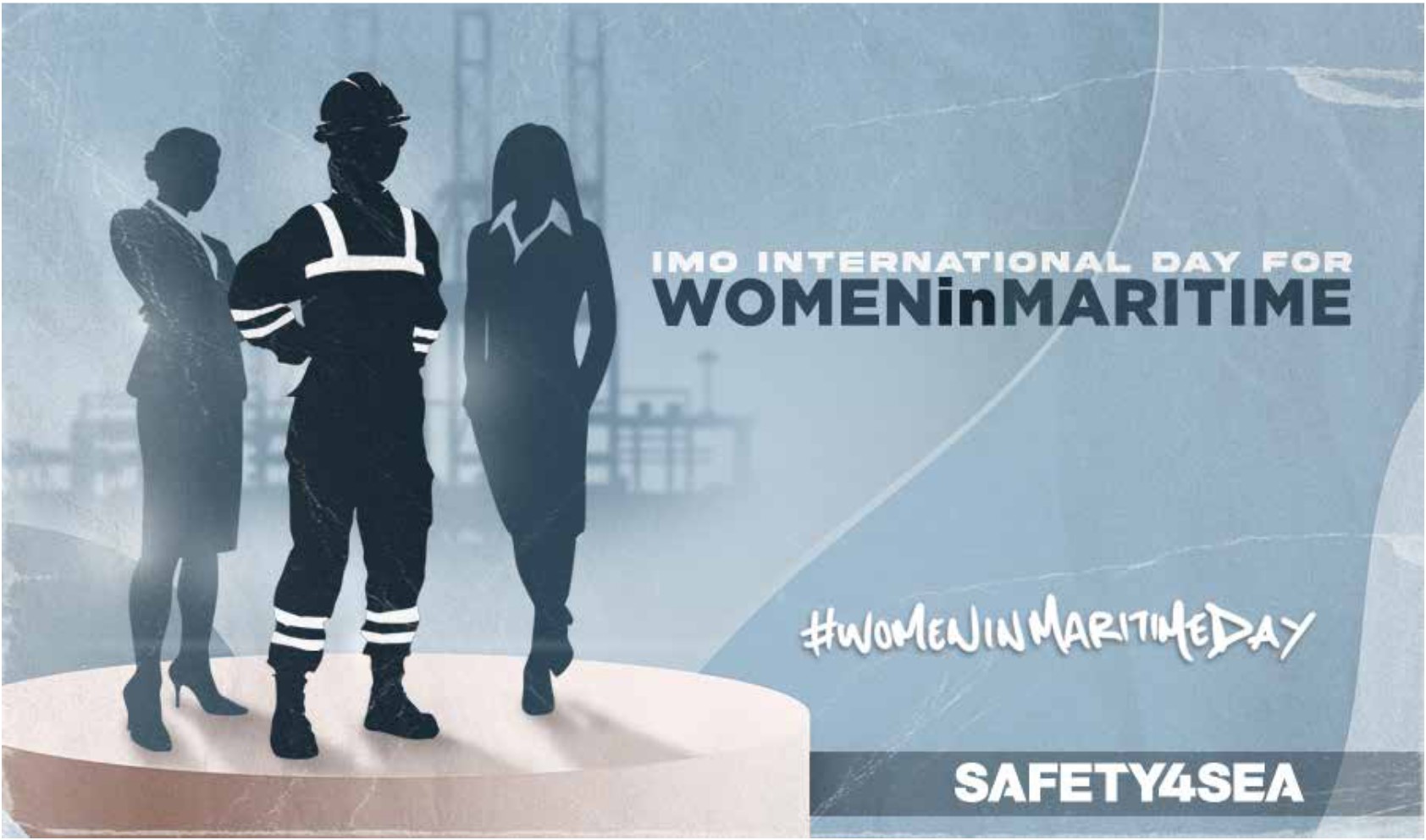
The maritime industry has historically been male-dominated, but tides are changing. Across ports, shipping companies, and ocean science institutions, women are increasingly stepping into leadership roles, technical positions, and research careers, breaking stereotypes and paving the way for the next generation. Central to this transformation are education, scholarships, and training programs that equip young women with the skills, confidence, and opportunities to thrive at sea and ashore.
Education as a Launchpad
Formal education remains the foundation for maritime careers. Institutions like the World Maritime University (WMU) in Sweden and regional maritime academies now actively recruit women, offering courses in nautical science, maritime logistics, marine engineering, and oceanography. Many programs include hands-on simulations, internships with shipping companies, and exposure to port operations—ensuring that students gain practical skills as well as theoretical knowledge.
Scholarship initiatives such as the IMO-WMU Women in Maritime Scholarship Programme aim to reduce barriers for women from developing countries, enabling them to pursue higher education in maritime disciplines. These opportunities not only empower individual women but also contribute to more diverse and inclusive industry leadership globally.
Training and Mentorship Programs
Beyond formal education, training programs and mentorship networks play a crucial role. Organizations like the Mission to Seafarers, Women in Shipping & Trade (WISTA), and local maritime NGOs provide mentorship, workshops, and leadership training specifically for women. These programs offer guidance on career pathways, safety at sea, professional networking, and navigating the unique challenges women face in a traditionally male-dominated field.
Practical, on-the-job training also prepares women for operational roles. From shipboard engineering internships to maritime logistics simulations, these programs build technical competence and confidence, making young women ready to take on responsibilities from deck officer positions to port management roles.

Inspiring Role Models
Highlighting female role models is key to encouraging young women to enter maritime careers. Figures such as Captain Inga Gröning, one of the first female ship captains in Europe, and Dr. Deborah Lee, a marine scientist leading ocean conservation projects, demonstrate that women can thrive at the highest levels of maritime professions. Local initiatives also showcase women leading coastal shipping, port operations, and maritime research, proving that the industry’s opportunities are no longer restricted by gender.
Shaping the Future of Maritime
Empowering women in maritime is more than a matter of equity—it strengthens the industry. Studies show that diverse teams improve problem-solving, innovation, and operational efficiency, critical factors in an industry navigating global challenges like climate change, port congestion, and digital transformation.
By investing in education, scholarships, training, and mentorship, the maritime sector is cultivating a generation of women ready to lead, innovate, and inspire, ensuring that the oceans are navigated by talent as diverse as the waters themselves.